

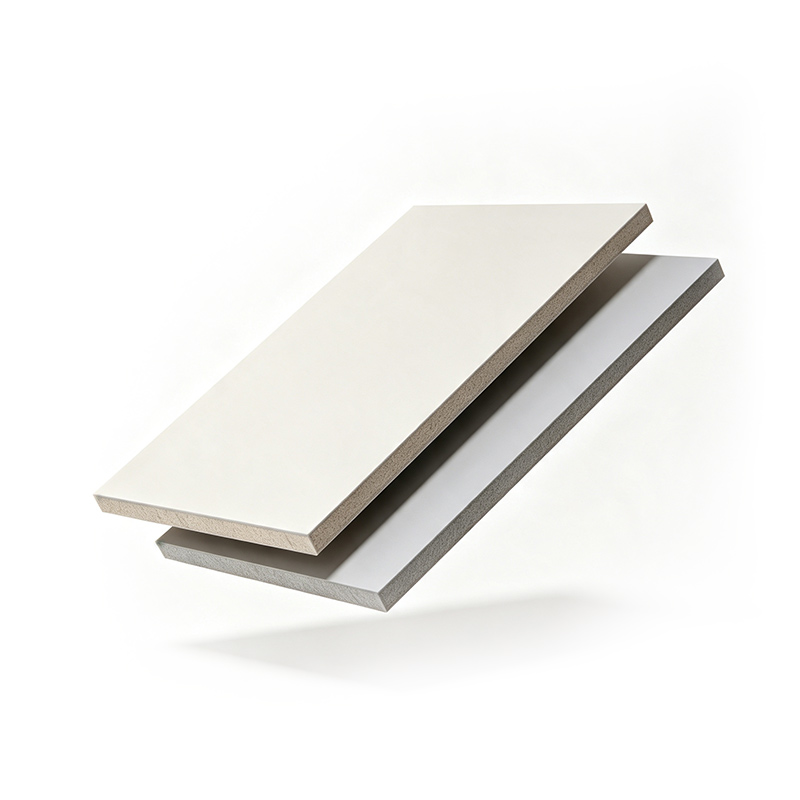


Data Center and Equipment Room Anti-static Floor Solution
| Application | Configuration principle |
|---|---|
| HPL finish | Suitable for general data centres and equipment rooms; confirm wear, maintenance and target resistance range. |
| PVC finish | Suitable where resilient underfoot feel, joint treatment or specific cleaning procedures are required. |
| Ceramic finish | Suitable where wear resistance, cleanability and a hard surface are priorities; verify weight and system load capacity. |
This solution is intended for data-centre owners, equipment-room integrators, electronics-facility projects, specialist flooring contractors and anti-static floor buyers.
It is separate from ordinary office and hotel raised flooring: anti-static performance cannot be inferred from a product name or surface appearance.

How should HPL, PVC and ceramic finishes be selected?
If the panel meets a resistance value, is the installed system automatically compliant?
How do grounding, edge strips, pedestals and site humidity affect results?
Complete System Solution
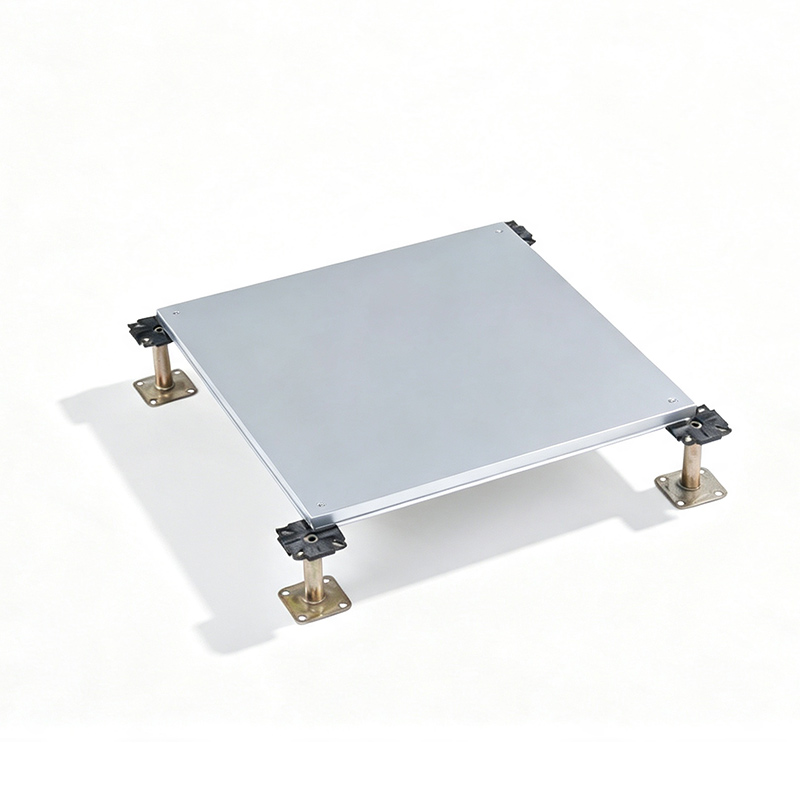
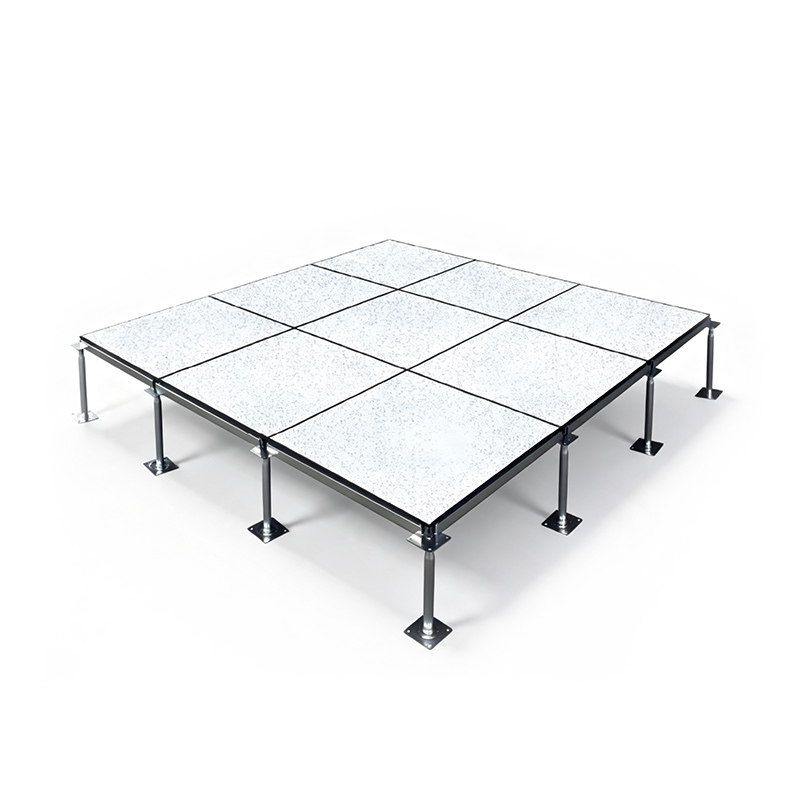
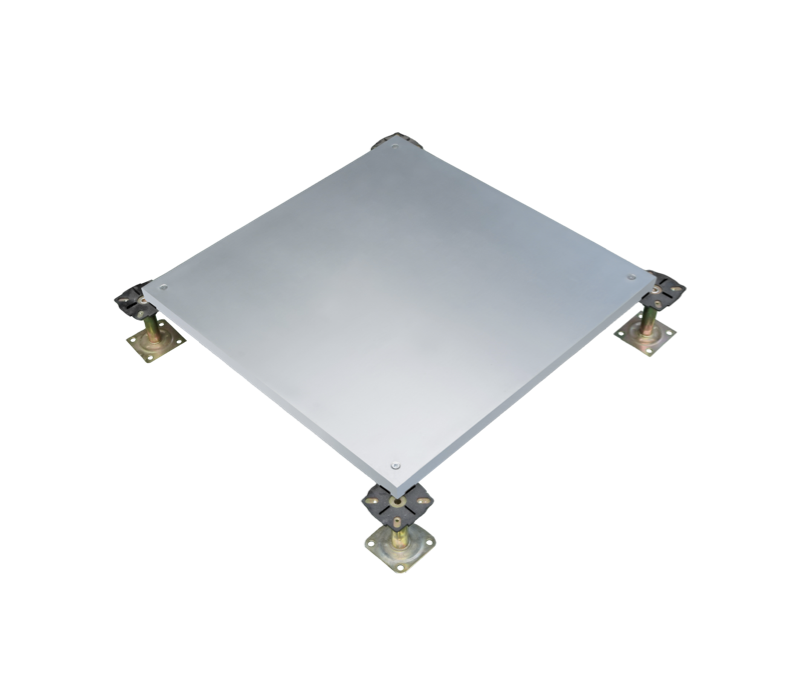
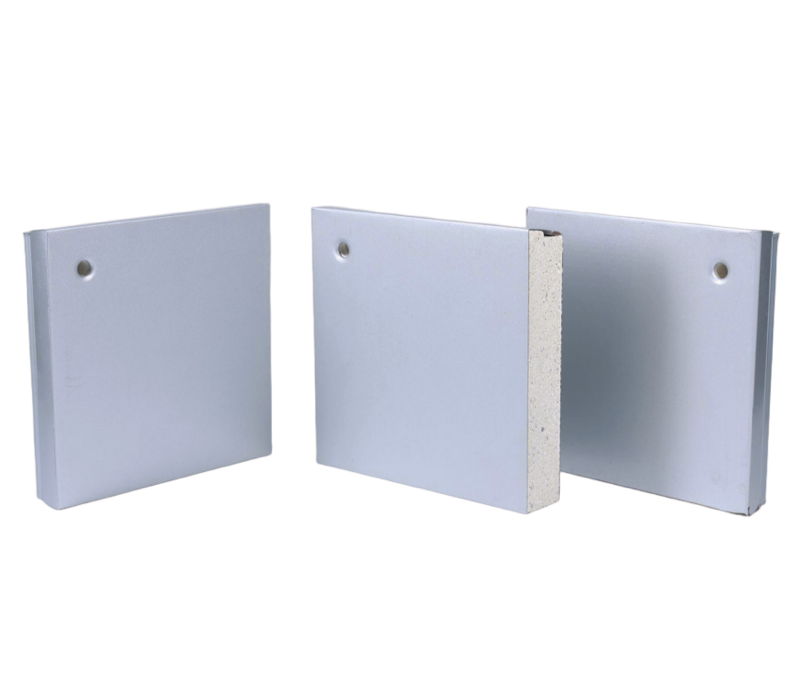
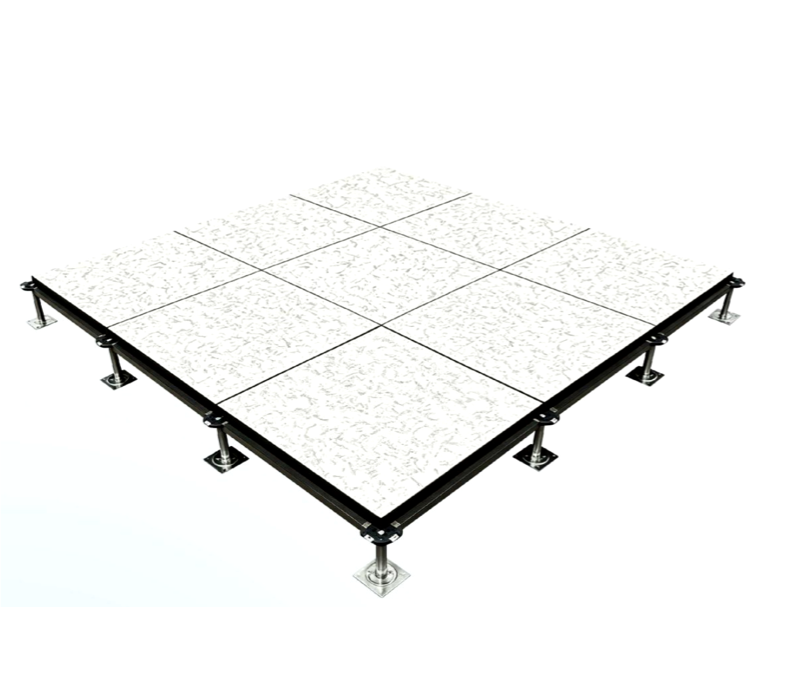
Comprehensive system comprising panels and finish, conductive edge treatment, pedestals, lateral-stability components, and integrated grounding network.
Complete Anti-Static Protection
Dedicated anti-static raised flooring system designed for environments requiring electrostatic discharge control.
Defined Test Conditions Required
Resistance values must be verified under agreed humidity, temperature, test voltage, instrument, and grounding conditions.
Site Verification Essential
Panel data does not replace continuity checks and on-site testing of the installed complete system.
Room type, equipment type and ESD-control objective
Target resistance range, test standard and site environmental conditions
HPL, PVC or ceramic finish and maintenance method
Raised height, loading, grounding network and equipment openings
Test reports, certificates and production evidence shown externally should correspond to the actual product model, specification and test conditions. This solution page provides basic evidence and does not use unrelated certificates to infer complete-system performance.
With the currently available materials, evidence of real production, finished-product inspection and principal certificates is sufficient. Detailed test data can remain on the relevant product or quality-certification page.