

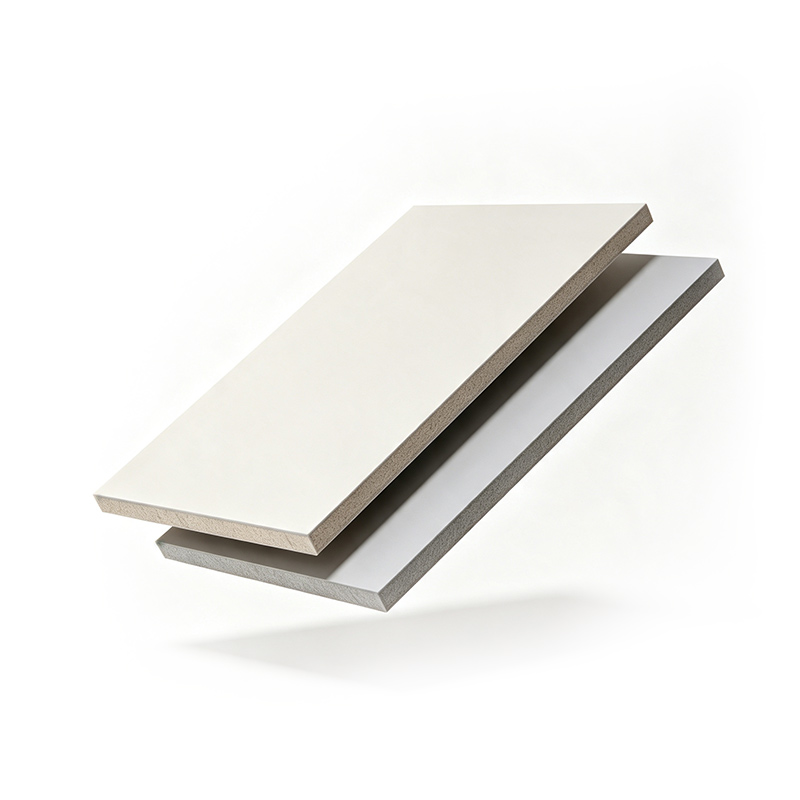


Fire-rated Interior Lining Solution
| Application | Configuration principle |
|---|---|
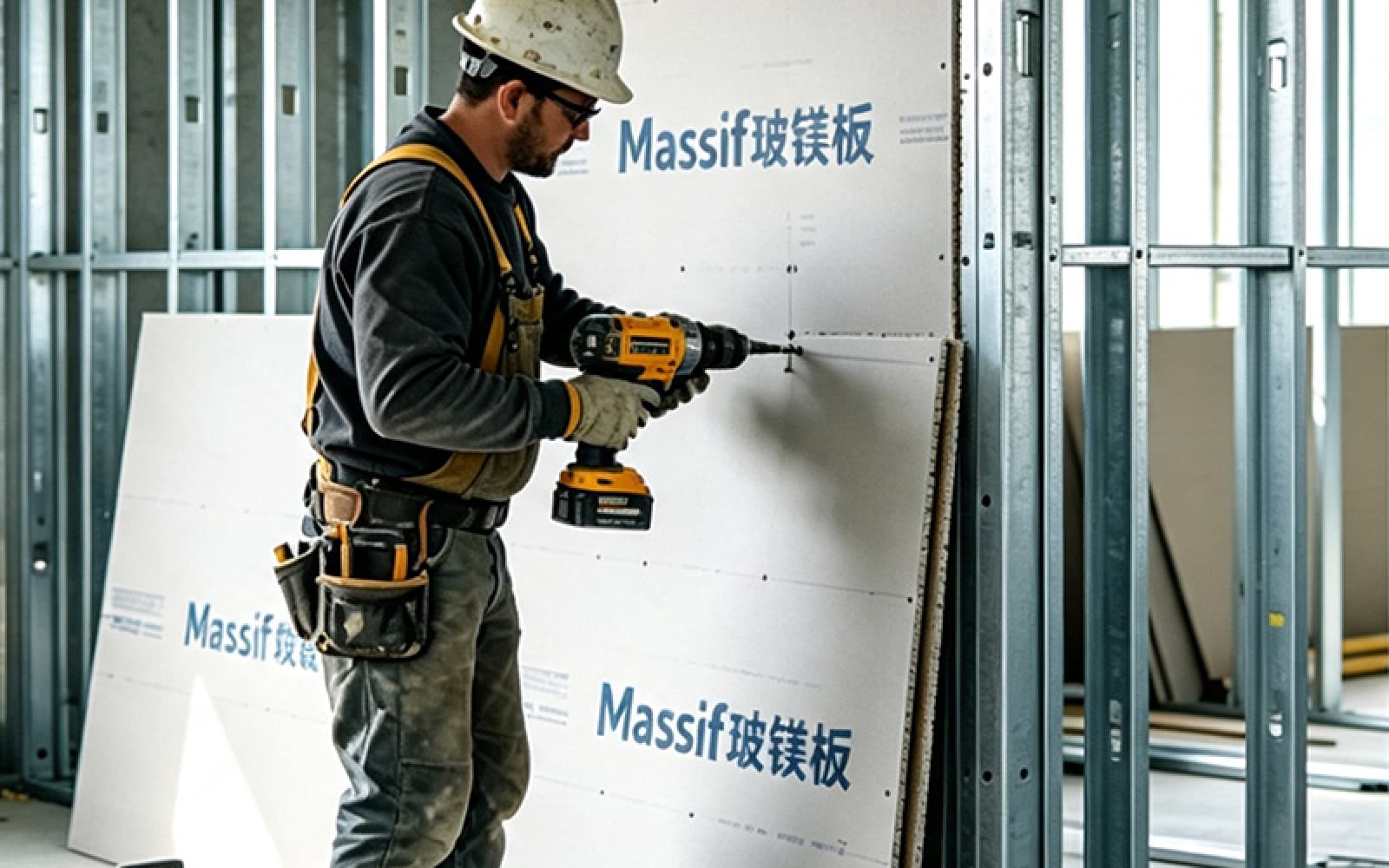
| Interior non-load-bearing partitions | 8–18 mm; confirm board layers, framing, finish and local fixture requirements. |
| Window pelmets and formed details | 15 or 18 mm; confirm forming, cutting, substrate flatness and track-support position. |
| Service and elevator shaft linings | Select by shaft-wall construction, board layers and validated model; no universal thickness applies. |
This solution is intended for building-material distributors, wall-system companies, project buyers and commercial or public projects such as offices, hotels, hospitals and schools.
Its purpose is to distinguish the thickness, surface and assembly-validation requirements of different interior positions rather than apply one specification to every use.
Can one specification serve partitions, window pelmets and shaft linings?
Does an A1 panel establish the required fire-resistance period of the complete wall?
How should thickness and surface be coordinated with coating or lamination?
A1 Non-Combustible Fire Performance
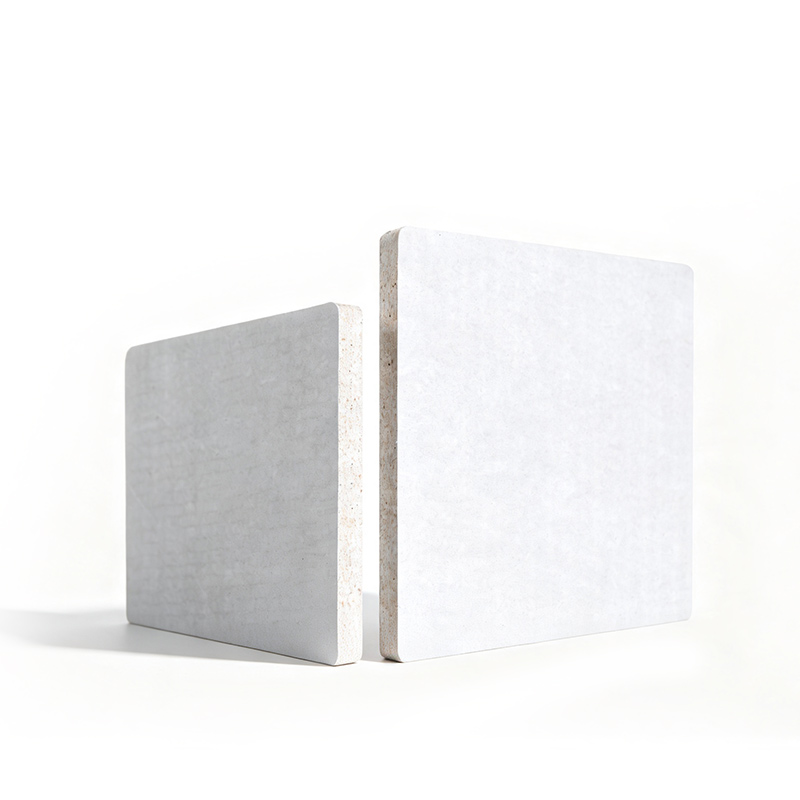
The board achieves Euroclass A1 fire rating, providing superior fire resistance as a material. Note: This classifies the panel's reaction to fire, not the fire-resistance period of a complete partition or shaft wall system.
Ultra-Low Chloride Ion Content (≤0.01%)
Minimal chloride ions ensure long-term durability and corrosion resistance, making the board suitable for demanding environments.
Formaldehyde-Free & Asbestos-Free
Zero formaldehyde and asbestos content for healthier indoor air quality and safe handling during installation.
Versatile Surface Options
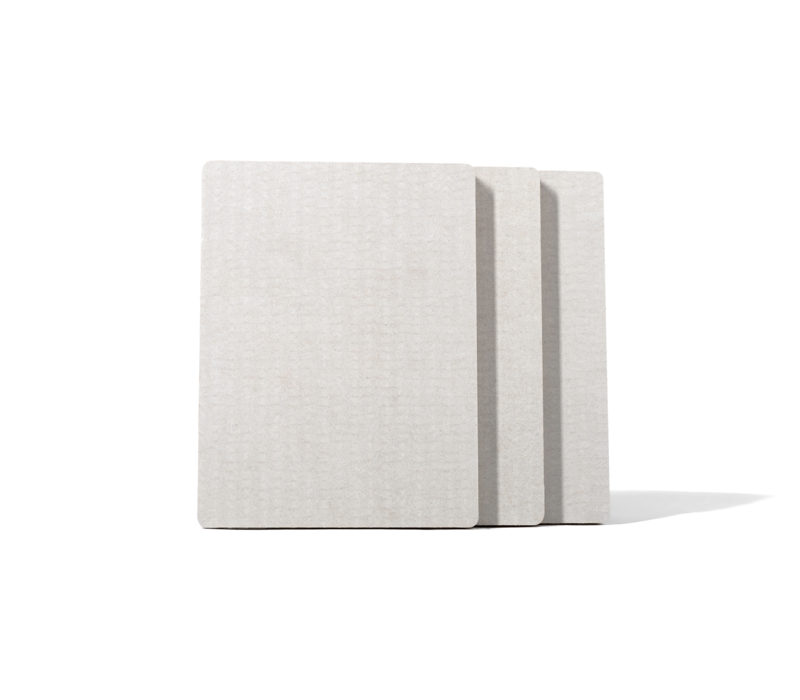
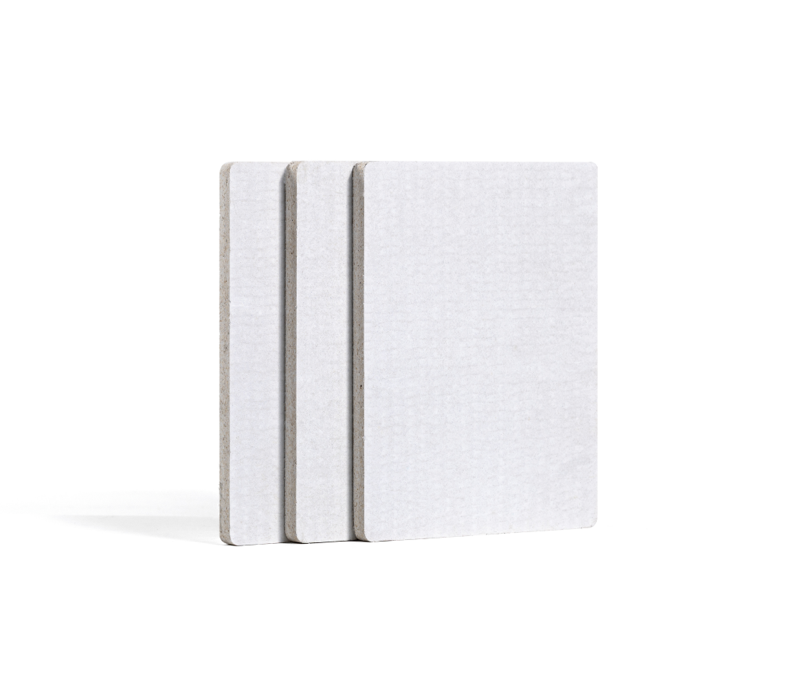
Available with non-woven or sanded surface finishes to meet different aesthetic and application requirements.
Board position and role within the wall
Target thickness, panel size, board layers and framing conditions
Surface type and downstream coating, wallcovering or lamination
Fire-resistance, fixture, impact and service-penetration requirements of the complete assembly
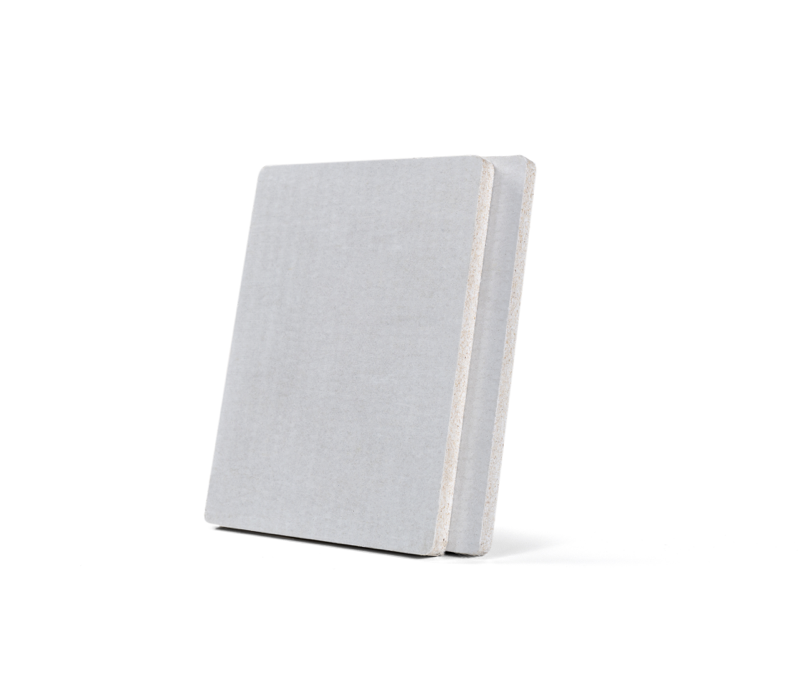
Test reports, certificates and production evidence shown externally should correspond to the actual product model, specification and test conditions. This solution page provides basic evidence and does not use unrelated certificates to infer complete-system performance.
With the currently available materials, evidence of real production, finished-product inspection and principal certificates is sufficient. Detailed test data can remain on the relevant product or quality-certification page.