

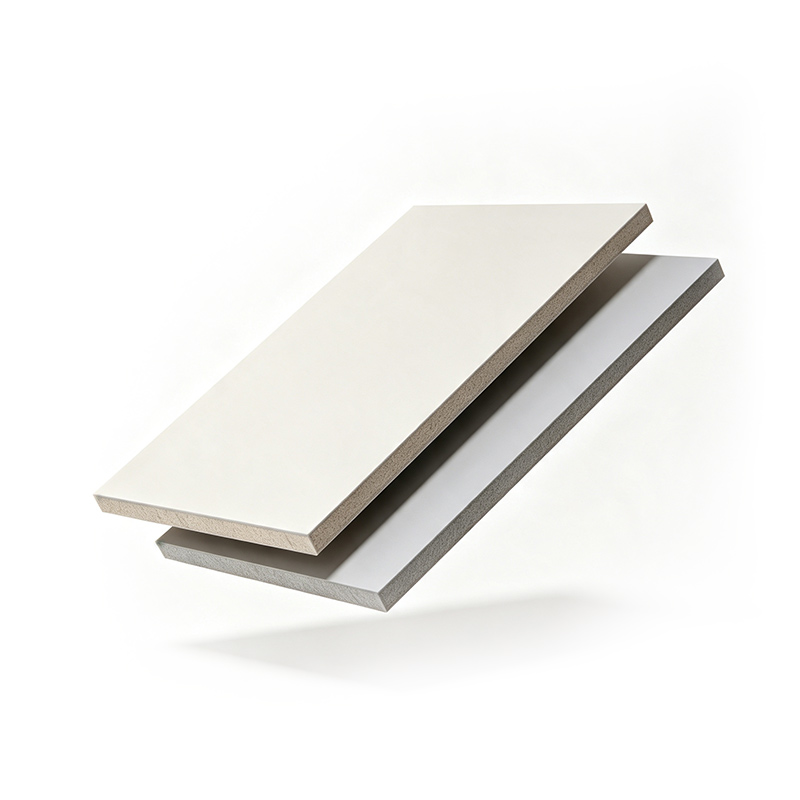


Loft and Mezzanine Floor Slab Solution
| Application | Configuration principle |
|---|---|
| Loft floors | 20–30 mm; confirm steel beam or joist spacing, use load, finish and vibration criteria. |
| Mezzanine platforms | Check the complete frame, concentrated loads, edge support and opening locations. |
| Dry renovation floors | Confirm existing structural capacity, finished floor height, wet-work limits and board joints. |
This solution is intended for steel-structure and modular-building companies, renovation contractors, distributors and floor-slab buyers.
It focuses on matching the complete floor construction and does not use a single-board demonstration as a substitute for structural design.

How should the 20–30 mm thickness range relate to support spacing?
Should concentrated load, vibration and deflection be assessed for the board or complete floor?
How do finish, joints, edges and stair openings affect selection?
High Load-Bearing Capacity
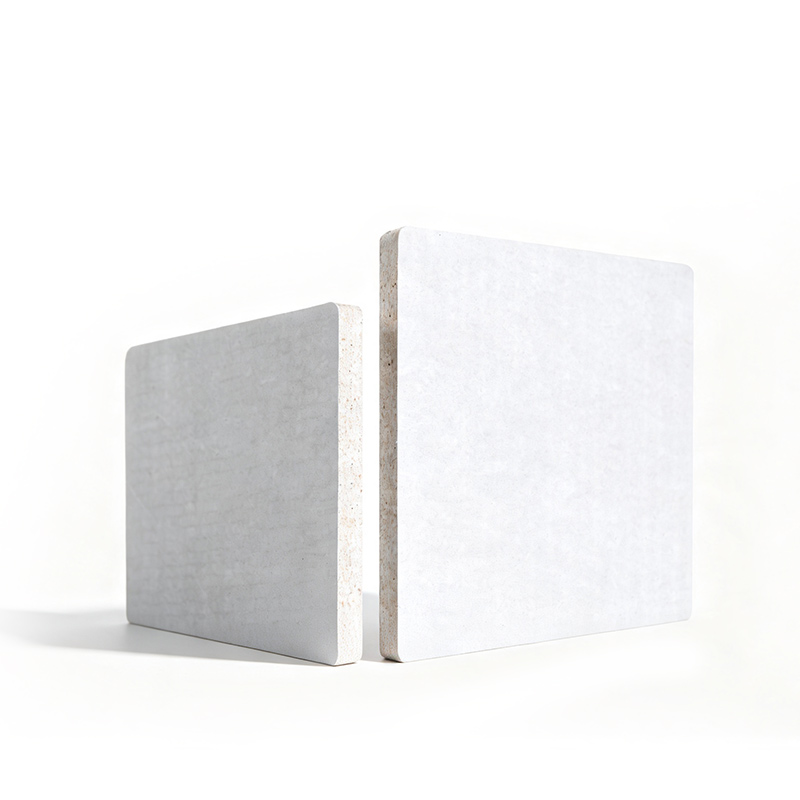
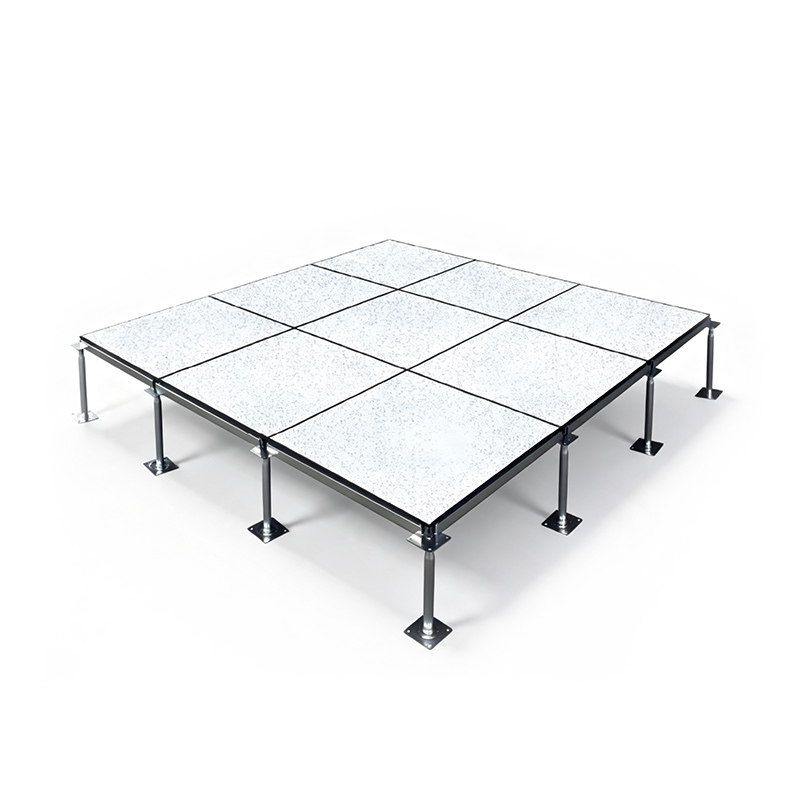
Engineered floor slab designed for structural spanning between engineered supports.
Standard Thickness Range
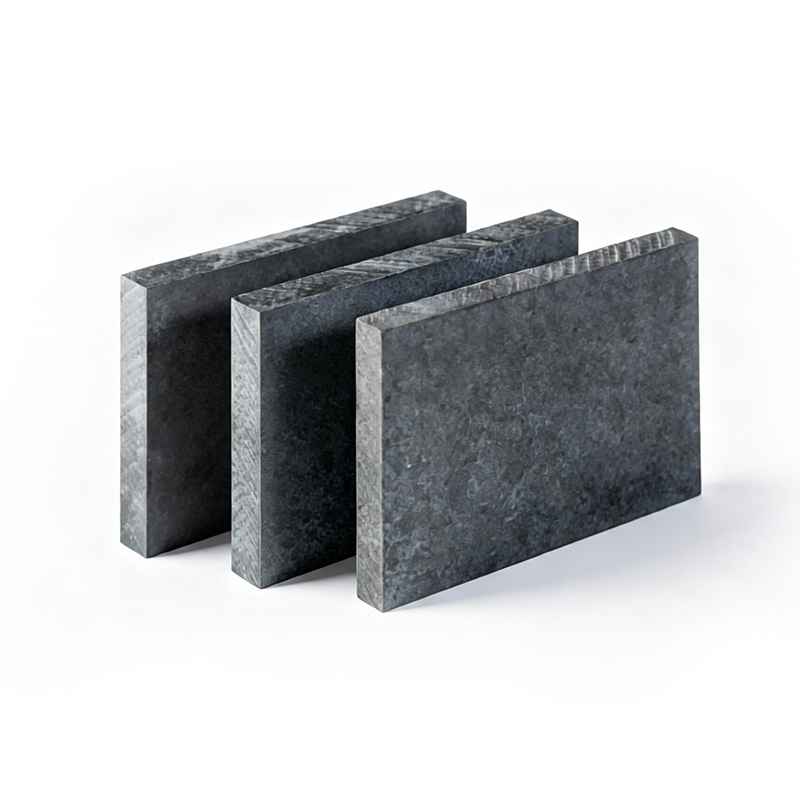
Typically 20–30 mm thick to meet various structural and load requirements.
Complete Floor System Integration
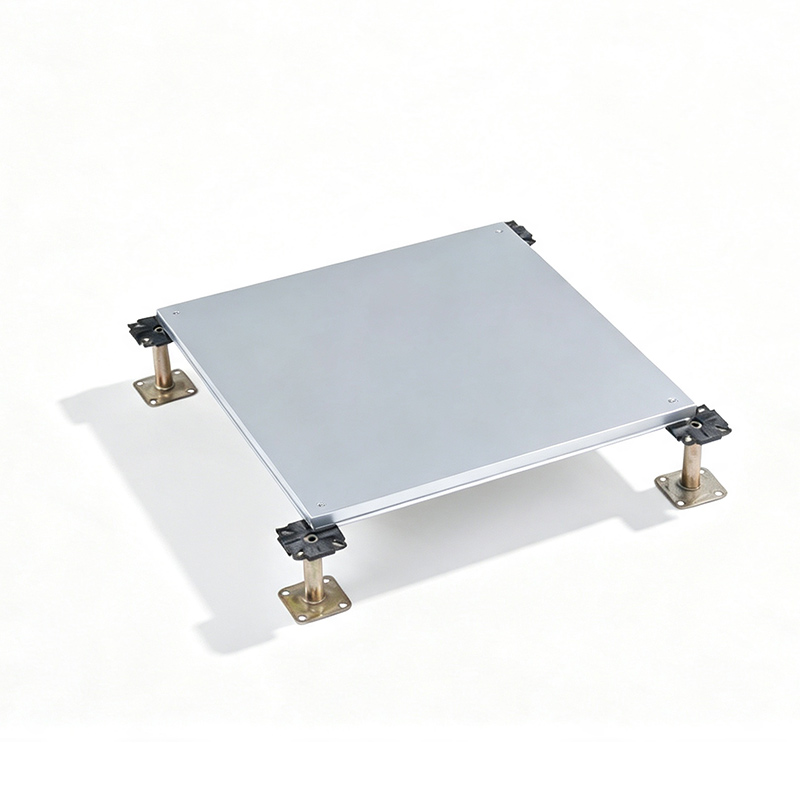
Incorporates fasteners, joints, edge support, and final finish as a complete substrate solution.
Performance Parameters
Load capacity, stiffness, vibration resistance, and deflection depend on thickness, support spacing, fixing method, and frame design.
Use of the loft, mezzanine or renovation floor
Beam or joist material, support spacing and edge conditions
Thickness, panel size, laying direction, joints and fixing
Design load, concentrated load, vibration, deflection and final finish
Test reports, certificates and production evidence shown externally should correspond to the actual product model, specification and test conditions. This solution page provides basic evidence and does not use unrelated certificates to infer complete-system performance.
With the currently available materials, evidence of real production, finished-product inspection and principal certificates is sufficient. Detailed test data can remain on the relevant product or quality-certification page.