

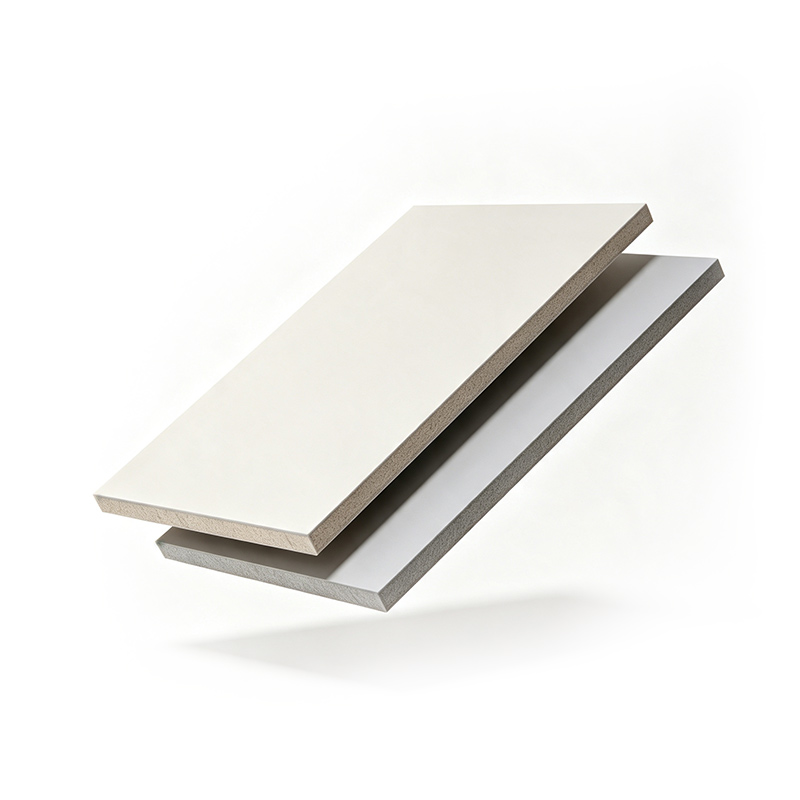


Modular and Container House Flooring Solution
| Application | Configuration principle |
|---|---|
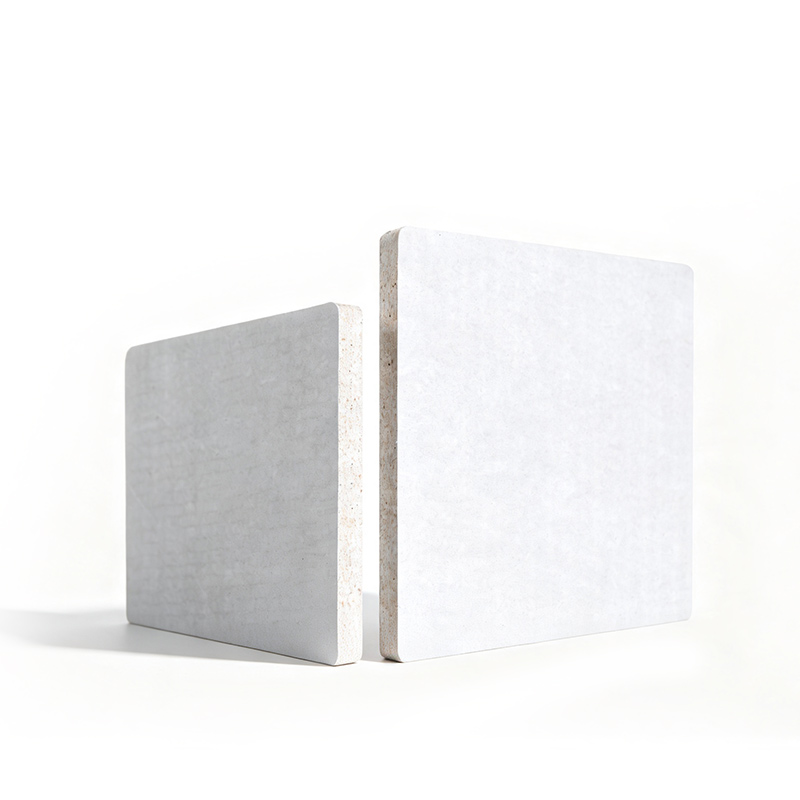
| Integrated housing flooring | 15 or 18 mm; confirm base-frame spacing, interior use, finish and production cycle. |
| Temporary and occupied container units | 15 or 18 mm; confirm transport, relocation, interior humidity and final floor build-up. |
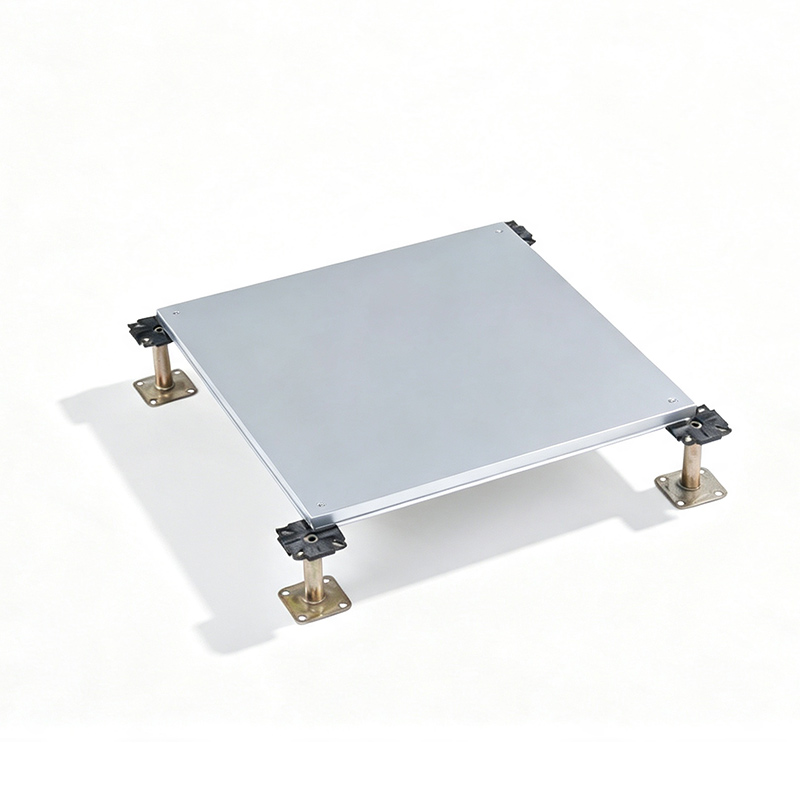
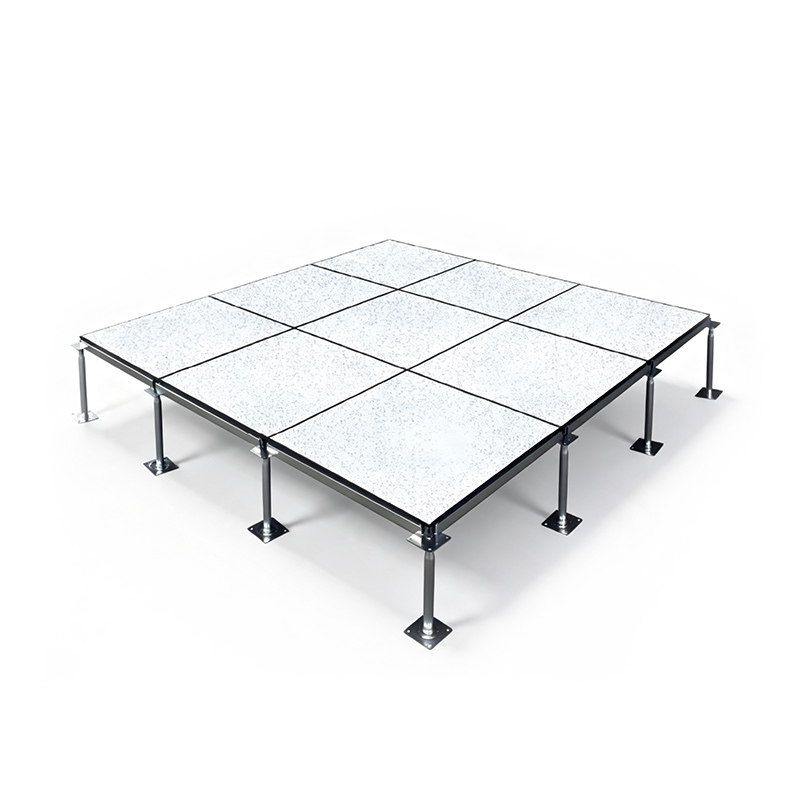
| Custom modular subfloor | Confirm project-specific concentrated loads, supports, openings and edge support. |
This solution is intended for modular-building manufacturers, container-house producers, project contractors, distributors and volume buyers.
It distinguishes integrated housing from temporary container units by use intensity, transport frequency and floor finish, without presenting the board as a load-bearing element independent of the base frame.

How should 15 mm and 18 mm be selected?
Can board load capacity replace structural calculation of the steel base frame?
Do transport vibration, repeated relocation or prolonged moisture require additional validation?
High-Strength Subfloor Performance
Engineered for use over steel or timber base frames in demanding flooring applications.
Factory-Ready Processability
Supports repeatable factory cutting, fixing, and modular assembly for efficient installation.
Standard Thickness Options
Available in 15 mm and 18 mm thicknesses to meet various load and span requirements.
System Integration Required
Must be used with designed base frame, fasteners, joints, and final finish for complete performance.
Building type, unit size and interior use
Base-frame material, support spacing and edge support
Board thickness, panel size, openings and fixing requirements
Transport frequency, humidity, concentrated loads and final floor finish
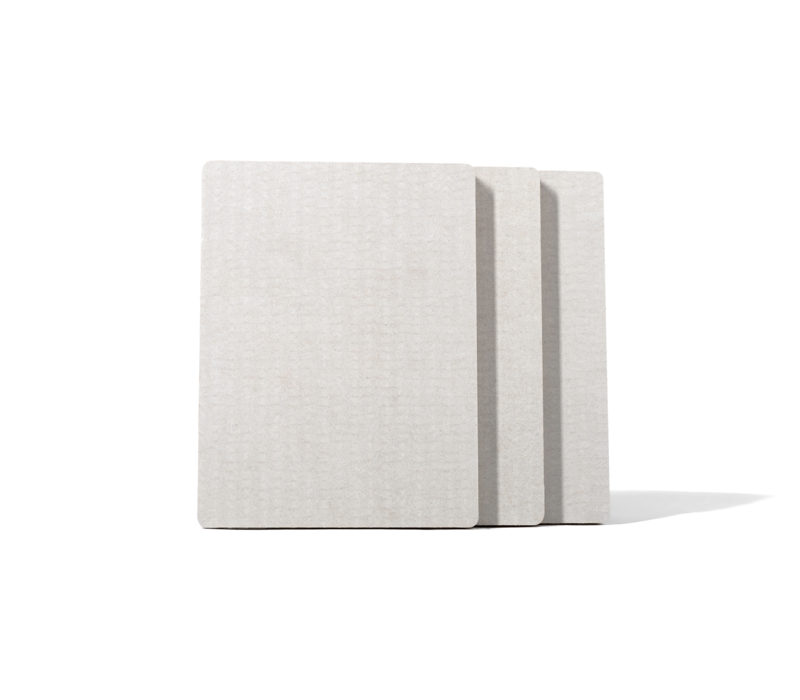
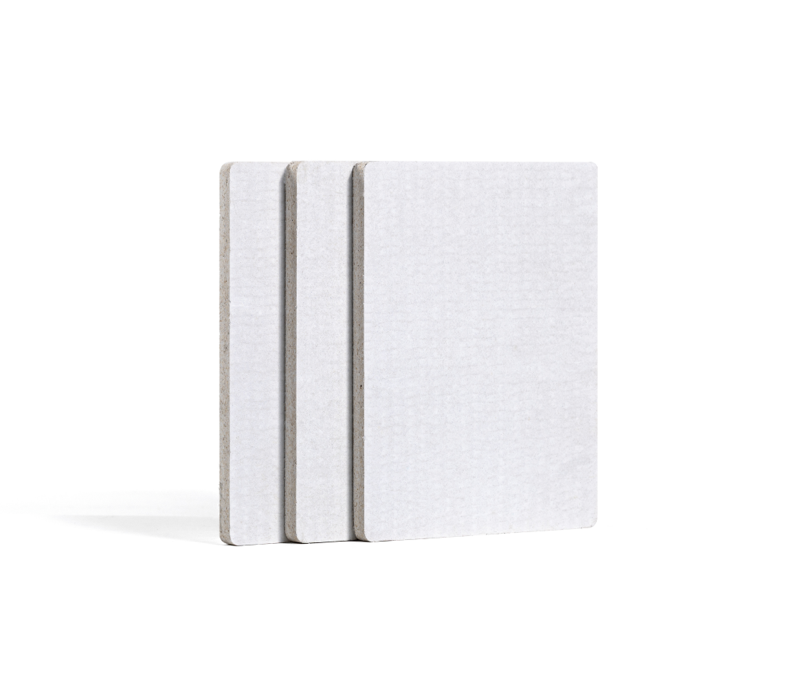
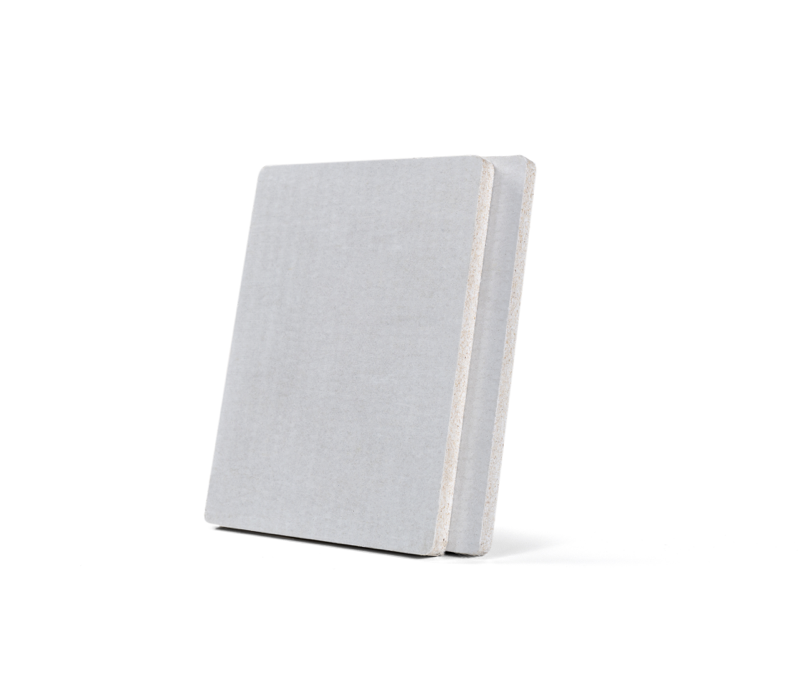
Test reports, certificates and production evidence shown externally should correspond to the actual product model, specification and test conditions. This solution page provides basic evidence and does not use unrelated certificates to infer complete-system performance.
With the currently available materials, evidence of real production, finished-product inspection and principal certificates is sufficient. Detailed test data can remain on the relevant product or quality-certification page.