




Sulfate MgO Board vs Chloride Board: Moisture & Swelling Guide
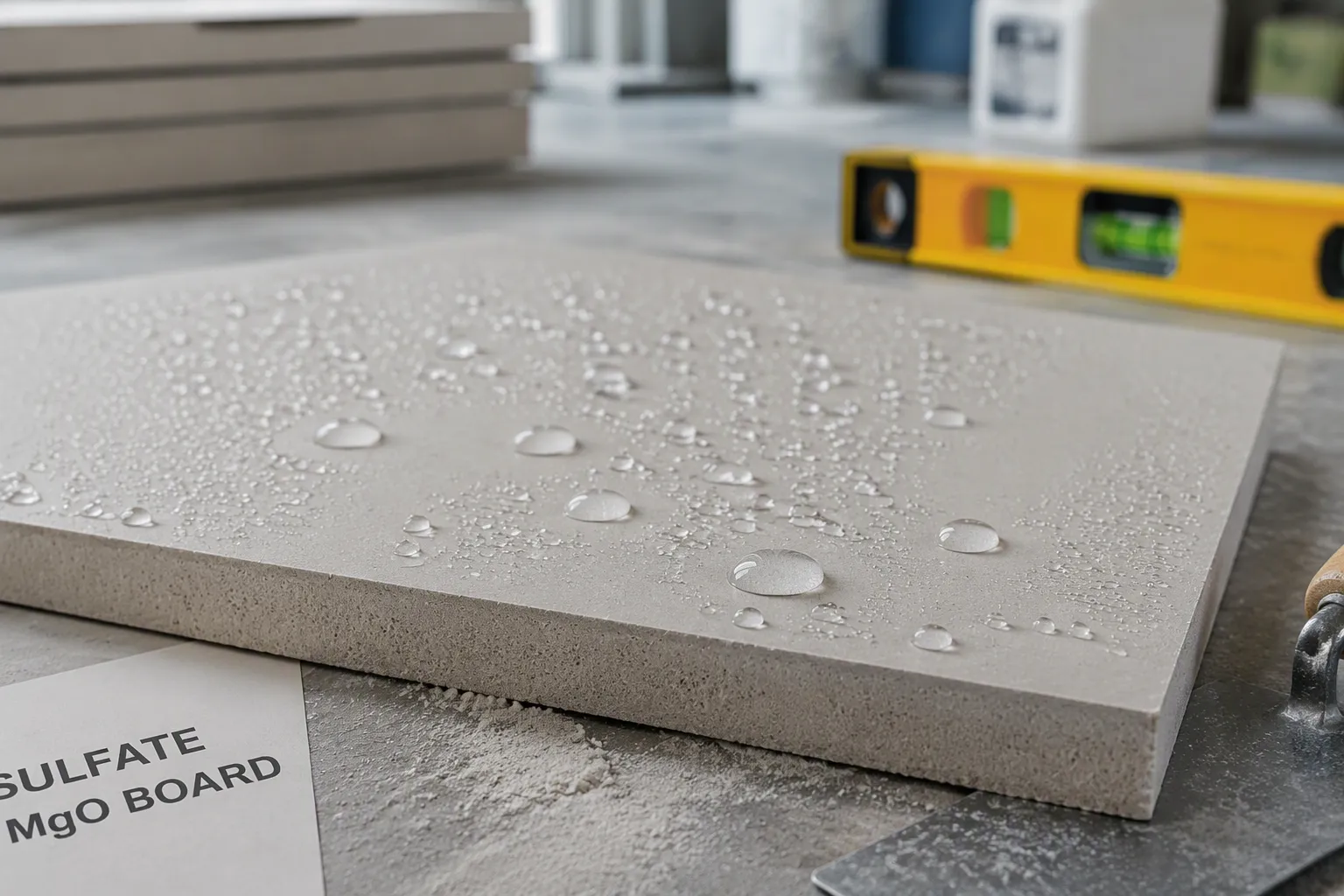
Sulfate MgO board outperforms chloride MgO board in moisture resistance. This post compares the two types to show why sulfate boards are preferred. Moisture and swelling problems frequently compromise building integrity. Selecting the right board prevents these failures. Sulfate boards remain stable at high humidity. Chloride boards often leak salty liquid and corrode. The comparison evaluates performance, durability, and sustained reliability over time. Contractors and homeowners benefit from understanding these differences. Sulfate boards are ideal for bathrooms, basements, kitchens in wet environments. Choosing them reduces maintenance, extends building life. This is the ultimate solution for moisture-prone areas. Builders trust this material for proven performance.
Key Takeaways
Sulfate MgO boards resist moisture and swelling better than chloride boards.
They contain no chloride ions, so they do not corrode metal fasteners.
Sulfate boards stay stable in high humidity and prevent mold growth.
They are ideal for bathrooms, basements, and kitchens.
Choose sulfate boards to avoid costly repairs and extend building life.
Install them properly with sealed joints and stainless steel screws.
Sulfate boards cost more upfront but save money over time.
They are environmentally friendly and fire-resistant.
Sulfate vs. Chloride MgO Board Basics
Defining Sulfate MgO Board
Composition and Manufacturing
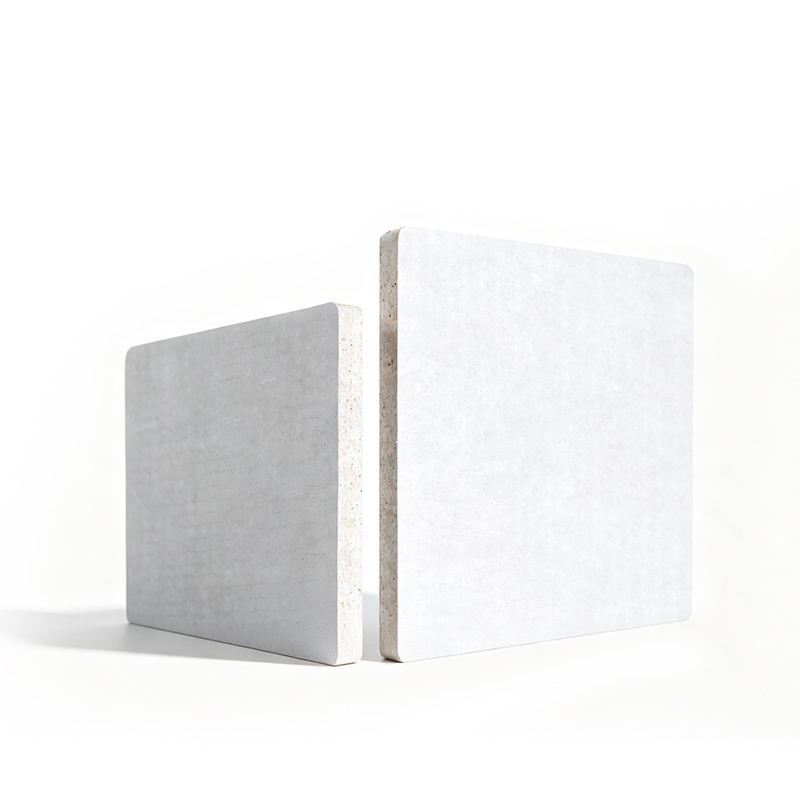
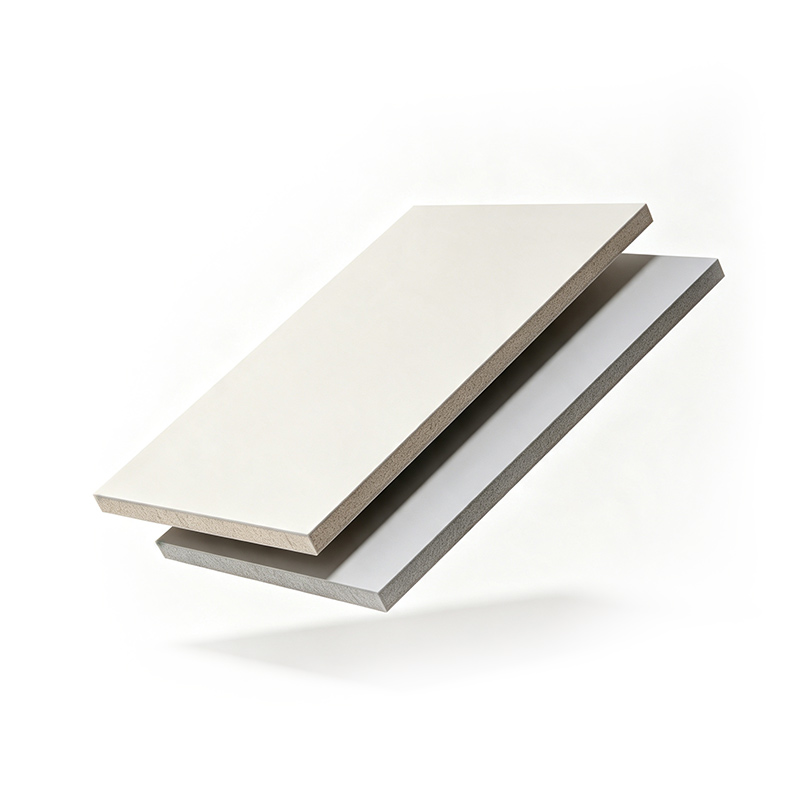
Sulfate MgO board combines magnesium oxide with a magnesium sulfate binder. The magnesium sulfate replaces the chloride salt found in older formulations. This chemical choice defines the board's behavior in wet conditions. Manufacturers mix magnesium oxide powder with magnesium sulfate solution, then add perlite, wood fiber, and glass mesh for strength. The mixture cures into a hard, dimensionally stable panel.
Why Choose Massif?
At Jiangsu Massif Building Materials Co., Ltd., we specialize in the advanced manufacturing of premium Sulfate MgO Boards. Our factory utilizes strict ISO quality control systems and chloride-free formulations to guarantee zero "sweating" or corrosion issues. Massif boards are rigorously tested to meet international building standards, making them the trusted choice for global wholesalers and construction projects.
Key Properties and Uses
The apparent density ranges from 0.95 to 1.15 g/cm³. Standard lengths are 2440 mm, 2700 mm, and 3050 mm, with a width of 1220 mm. Thicknesses range from 5 mm to 30 mm. Surfaces come in non-woven or sanded finishes, with white as the standard color.
| Specification Category | Details |
|---|---|
| Standard panel width | 1220 mm (max) |
| Standard panel lengths | 2440 mm, 2700 mm, 3050 mm (max) |
| Thickness range | 5–30 mm (customizable) |
| Recommended thicknesses | 5–18 mm |
| Integrated housing flooring board | 1180 × 3050 mm, 15 mm and 18 mm |
| Wood/steel building flooring | Typically 20–30 mm |
| Surface options | Non-woven and sanded |
| Standard color | White (other colors on order) |
These boards serve partition wall lining, fire door core, air duct, ceiling, roof lining, and elevator fire-rated lining. Load-bearing versions support integrated housing flooring and loft floor slabs.
Defining Chloride MgO Board
Composition and Manufacturing
Chloride MgO board uses magnesium chloride as its binder. The main ingredients include magnesium oxide, magnesium chloride, perlite, wood fiber, vermiculite, and glass mesh. Magnesium oxide provides fire resistance and strength. Magnesium chloride reacts with the oxide to harden the board. Perlite reduces weight, while vermiculite expands under heat for fire resistance.
Production follows three steps. First, workers mix the raw materials in ratios adjusted for the intended use. Second, the boards cure as magnesium oxide reacts with magnesium chloride. Third, a final inspection checks quality before shipping.
Key Properties and Uses
Chloride boards require a soaking process to reduce corrosion risk. They are cost-effective and suit standard interior applications. Common uses include walls, ceilings, fire doors, subflooring, fireplaces, duct systems, and bathrooms. Commercial projects such as office buildings, shopping malls, hotels, movie theaters, and schools also use them.
The Chemical Difference
How Core Formulation Impacts Performance
The binder determines how each board handles moisture. Magnesium chloride absorbs moisture over time, which can reduce lifespan. Water-soluble salts raise the risk of efflorescence. Performance drops in extremely damp conditions.
Magnesium sulfate is non-hygroscopic. It does not absorb moisture. The chloride-free formula lowers efflorescence risk and improves stability in wet or humid areas. Sulfate boards also contain no chloride ions, so they prevent corrosion with metal fasteners. Chloride boards can corrode steel framing and screws.
| Formulation | Chemical Binder | Moisture Absorption | Efflorescence Risk | Stability in Humid Conditions |
|---|---|---|---|---|
| MgO Board | Magnesium Chloride (MgCl2) | Absorbs moisture over time | Higher risk | Reduced performance in damp conditions |
| MgSO4 Board | Magnesium Sulfate (MgSO4) | Non-hygroscopic | Reduced risk | Enhanced stability in wet areas |
This chemical gap explains why sulfate MgO board outperforms chloride MgO board in moisture-prone construction.
Moisture Resistance Mechanisms Compared
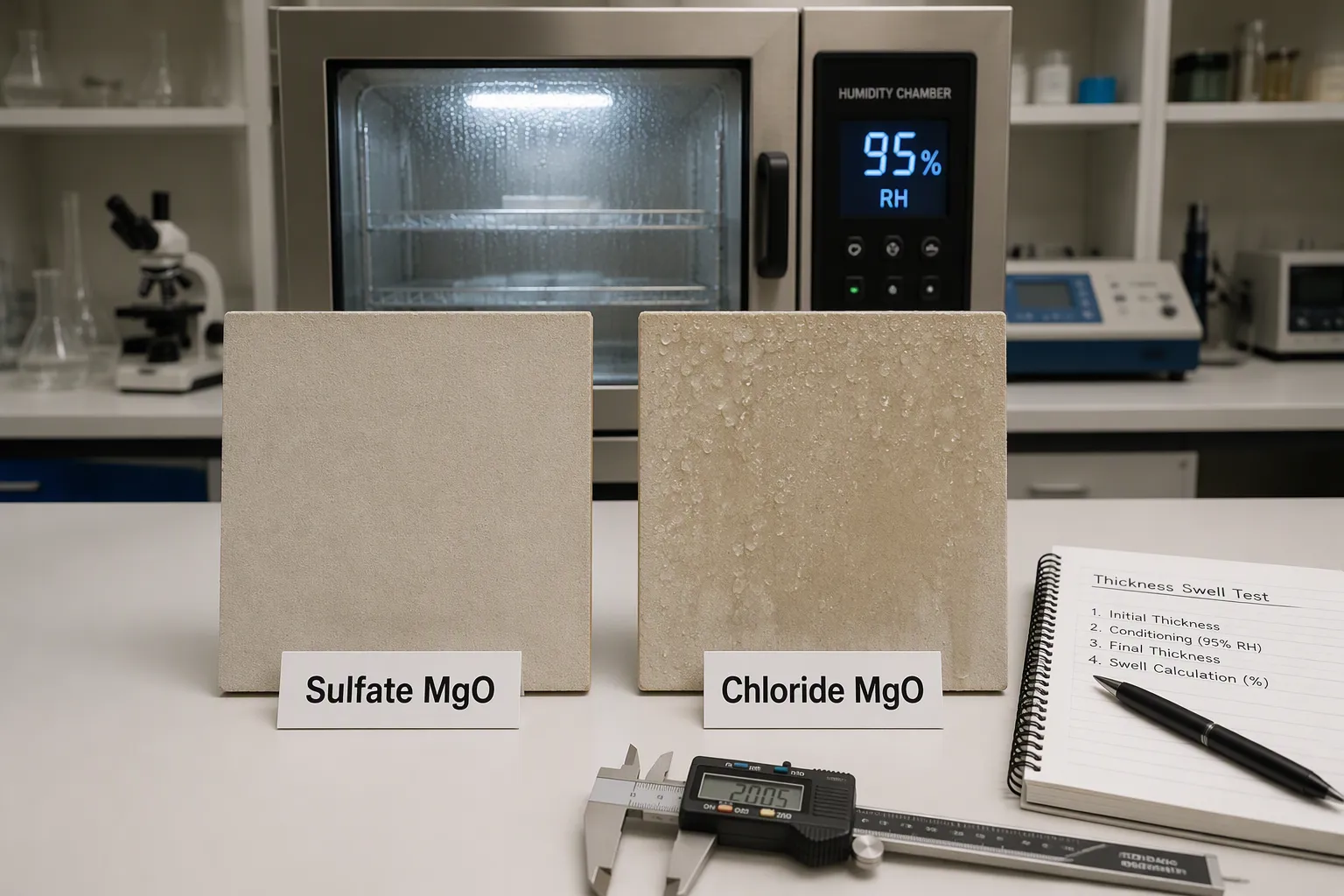
The way each board handles water comes down to chemistry. Magnesium oxide board performance in wet conditions depends on the binder. Sulfate and chloride formulations take different paths when exposed to moisture. Understanding these paths explains why one board stays stable and the other fails.
Sulfate MgO Board Moisture Resistance
The Role of Magnesium Sulfate
Magnesium sulfate serves as the binder in sulfate MgO board. This compound is not hygroscopic. It does not attract moisture from the air. Magnesium sulfate (MgSO₄) boards avoid the water uptake problem at the chemical level. The binder simply lacks the affinity for water that chloride binders possess.
This difference matters for long-term performance. A sulfate-based MgO board does not pull moisture into its core. The board stays dry even when the air is damp. Magnesium sulfate also contains no free chloride ions. Metal fasteners remain safe from corrosion. Standard galvanized screws and light-gauge steel framing work without risk.
Performance in High Humidity
High humidity tests reveal the strength of sulfate chemistry. Magnesium oxysulfate (MOS) boards remained dry at 90% relative humidity. The board showed no surface wetness. No droplets formed. No salty liquid appeared. This performance comes from the non-hygroscopic nature of the binder.
Sulfate-based MgO boards also resist wicking. Cut edges and penetrations stay stable without edge sealing in many applications. A 28-day cyclic humidity test alternated between 30% and 90% relative humidity at 25°C. Sulfate boards showed less than 0.05% thickness swell. This result is effectively unchanged from the dry baseline. The board handles moisture without losing its shape.
Chloride MgO Board Moisture Issues
The Role of Chloride Chemistry
Magnesium chloride boards use a different binder. Magnesium chloride (MgCl₂) is highly hygroscopic. It naturally attracts moisture from the air. In humid environments, chloride MgO board absorbs water until droplets of salty brine form on the surface. This phenomenon is known as "sweating," "crying," or "weeping."
The brine is a concentrated solution rich in chloride ions. These ions aggressively attack the protective oxide layer on metal fasteners. Once the oxide layer breaks, the underlying metal rusts rapidly. This corrosion weakens the fasteners and compromises structural integrity. Problems often appear months or years after installation.
Why Chloride Boards Fail
Chloride-based boards fail because the binder pulls moisture inward. The board cannot stay dry in high humidity. Magnesium chloride boards leak salty liquid when conditions are damp. This leakage ruins paint and causes wallpaper to peel. Mold growth follows. The moisture also drives dimensional instability.
The corrosion issue extends beyond the board itself. Chloride ions migrate to steel studs, copper pipes, and aluminum frames. A corrosive brine eats through galvanized steel within a few years. This is the "weeping boards" corrosion issue. It turns a simple wall assembly into a structural liability.
Head-to-Head Moisture Performance
Water Absorption Rates
Direct comparison shows a clear gap. Sulfate boards absorb up to 37% less water than chloride boards in high humidity. This figure comes from controlled testing. The table below summarizes the key differences.
| Property | Sulfate MgO Board | Chloride MgO Board |
|---|---|---|
| Binder | MgSO₄ (chloride-free) | MgCl₂ |
| Moisture absorption | Very low | Higher (hygroscopic) |
| Metal corrosion risk | None | Present (chloride migration) |
| Dimensional stability | Excellent in wet cycles | May expand or blister |
| Suitable for exterior use | Yes | Limited |
The evidence supports the sulfate advantage. Magnesium oxysulfate (MOS) boards remained dry at 90% relative humidity. Magnesium oxychloride (MOC) boards leaked salty liquid under the same conditions. This contrast defines the moisture resistance difference between the two board types.
Sulfate MgO board offers no "sweating" or leaching. The board is not hygroscopic. It does not attract moisture. Chloride MgO board suffers from all these problems. The chemical choice determines the outcome. For any project where moisture is a concern, the sulfate formulation provides reliable, long-term performance.
Swelling and Dimensional Stability
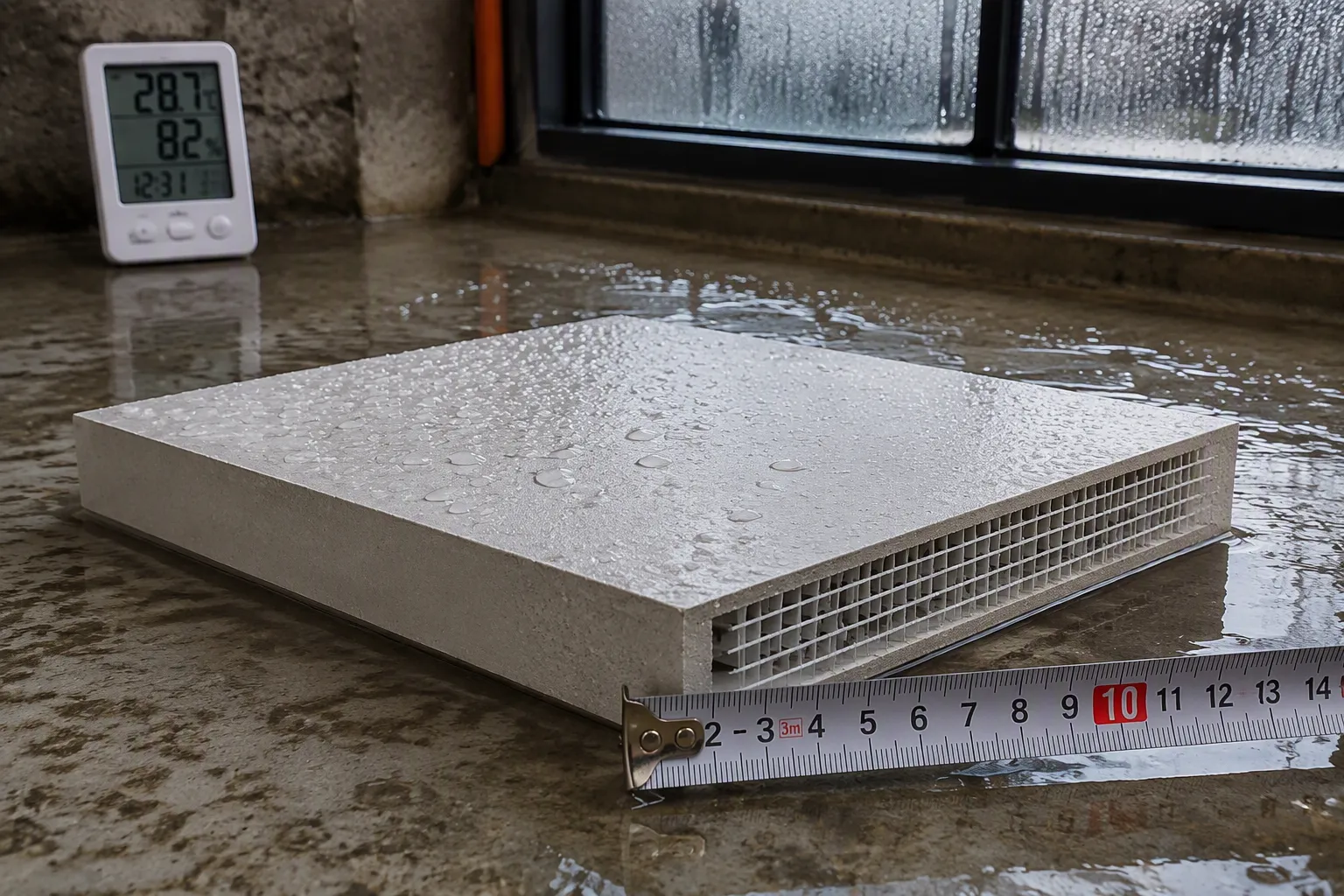
Dimensional stability separates reliable wall assemblies from failing ones. Magnesium sulfate boards hold their shape in wet conditions far better than magnesium chloride MgO boards. This difference protects the entire building envelope. Moisture triggers different responses in each board type. Understanding these responses helps builders select the right material for moisture-prone spaces.
Sulfate MgO Board Stability
Maintaining Shape in Wet Conditions
Sulfate MgO board resists deformation through its non-hygroscopic binder. The magnesium sulfate chemistry does not attract moisture from the air. This property keeps the board's internal structure intact. The board maintains its original dimensions even after prolonged exposure to damp conditions.
Reinforcement adds another layer of protection. High-tensile fiberglass mesh provides bending strength and impact resistance. This reinforcement helps the board resist deformation and maintain shape. The board exhibits minimal expansion in both high-temperature and extreme-humidity environments. Its structure remains intact under a wide range of conditions.
The porous nature of the board also contributes to stability. The material does not completely absorb water into its pores. This leaves room for expansion when frozen. The board withstands numerous freeze-thaw cycles with minimal loss of mechanical strength, well below permissible limits. Such performance makes the board reliable in high-humidity and temperature-fluctuation environments.
Long-Term Dimensional Stability
Long-term performance depends on consistent chemistry. Magnesium sulfate boards maintain superior dimensional stability over years of service. Research shows magnesium oxide board keeps its strength even after months in water. In dry places, it gets even stronger over time. In wet places, it still holds up well with only a small drop in strength.
Additives like fly ash and phosphate can boost water resistance further. These enhancements improve performance in bathrooms, kitchens, or basements. Long freeze and moisture tests prove the board is durable and does not crack or break easily. The sulfate-based MgO boards handle moisture much better than chloride alternatives.
Chloride MgO Board Swelling
Expansion and Warping Problems
Chloride-based boards fail because magnesium chloride is highly hygroscopic. The chloride ions attract moisture from the environment. This absorption leads to dimensional instability, including swelling and warping. The board can experience slight expansion under prolonged moisture exposure.
The mechanism is straightforward. Moisture enters the board and disrupts the crystalline structure. The board swells, warps, or delaminates as a result. High chloride content reduces durability and can cause performance degradation in humid environments. Some low-grade products suffer from insufficient strength and warping.
Impact on Structural Integrity
Swelling and warping compromise the board's structural role. A deformed board cannot support loads or maintain flat surfaces. The expansion creates internal stresses that weaken the material. Cracks may form as the board tries to accommodate the dimensional changes.
Corrosion adds another failure mode. Leaching chloride ions corrode steel studs and fasteners. This corrosion weakens the connections that hold the assembly together. The combination of swelling and corrosion turns a simple partition into a structural liability. The table below summarizes these differences.
| Property | Sulfate MgO Board | Chloride MgO Board |
|---|---|---|
| Dimensional Stability | Very good; minimal expansion/shrinkage | Can experience slight expansion under prolonged moisture |
| Water Resistance | Excellent; sulfate binder is stable in moisture | Moderate; chloride may leach or react with water over long periods |
Why Stability Matters
Preventing Cracks and Gaps
Stable boards prevent the cracks and gaps that allow water intrusion. Sulfate boards resist moisture, preventing expansion and cracking. Magnesium sulfate boards do not contain the chloride that causes weeping and water damage. Lower corrosivity protects metal components from rust and degradation.
A stable composition prevents moisture retention, inhibiting biological growth. Mold and mildew cannot take hold on a dry surface. The board stays dimensionally true, so joints remain tight. This tightness blocks air leakage and water penetration. The result is a durable assembly that performs as designed.
Sulfate-based MgO boards are often preferred in bathrooms and kitchens due to enhanced stability. These wet areas demand materials that handle constant moisture exposure. The sulfate type should be selected for such applications. Builders who choose sulfate boards avoid callbacks and repairs. The initial material choice determines long-term success.
Additional Benefits of Sulfate MgO Board
Superior Durability
Resistance to Rot and Mold
Magnesium oxide board resists rot and mold through its inorganic composition. Organic materials like wood and paper feed mold growth. The MgO board contains no organic nutrients. Mold spores cannot establish colonies on its surface. This property makes the MgO board ideal for basements and other humid environments.
The MgO board also resists pulverization. The MgO board stays intact where other materials crumble.
Better Finish Compatibility
Reduced Efflorescence and Peeling
Efflorescence occurs when soluble salts migrate to the surface. Chloride-based boards release these salts as moisture evaporates. The MgO sulfate board contains no free chlorides. This chemistry eliminates the white staining that ruins painted finishes. Coatings adhere better and last longer.
The MgO board accepts paint, wallpaper, and tile without special primers. The surface remains stable after installation. Peeling and blistering do not occur because the substrate stays dry. The MgO board provides a reliable base for any finish. Contractors save time on surface preparation and callbacks.
Health and Environmental Advantages
Lower Corrosion Risk
The MgO board protects metal fasteners from corrosion. Magnesium sulfate is chemically inert toward metals. This property delivers zero corrosion to metal fasteners. Steel studs, screws, and clips remain intact for decades. Chloride boards cannot match this performance because their binder attacks metal components.
The MgO board is formaldehyde-free and asbestos-free. It contains no radioactive substances. It also complies with environmental certifications and green building standards.
The MgO board offers fire resistance. It achieves noncombustible ratings. The MgO board does not burn or produce toxic gases. This fire performance exceeds gypsum board. Fiber cement board offers less fire resistance. The MgO board also weighs less than fiber cement. This weight advantage reduces material and labor costs. The MgO board is lighter, easier to cut, and provides better sound insulation. These benefits make sulfate-based MgO boards the preferred choice for wet areas.
International Certifications and Testing Standards
High-quality Sulfate MgO boards must meet rigorous global building codes. Massif’s Sulfate MgO boards are tested to ensure zero asbestos, zero formaldehyde, and superior fire ratings (such as ASTM E136 / EN 13501-1 non-combustible standards). By adhering to strict ISO manufacturing processes, we guarantee batch-to-batch consistency, reliable density, and guaranteed chloride-free formulations that prevent future structural liabilities.
Limitations and Considerations
Cost Comparison
Initial Investment vs. Savings
Sulfate MgO boards carry a higher upfront price than chloride-based boards. The initial cost difference reflects the superior raw materials and manufacturing controls. Budget-conscious buyers may hesitate at the register. Long-term economics tell a different story.
Chloride boards demand more maintenance in challenging environments. Moisture-related repairs erode the lower purchase price over time. Sulfate boards remain stable in humidity, so repair frequency drops. The higher initial investment is offset by durability and fewer callbacks.
| Board Type | Initial Cost | Maintenance Costs | Long-term Savings |
|---|---|---|---|
| Magnesium Oxide Sulfate Board | Higher | Lower | Yes (fewer repairs, longer lifespan) |
| Magnesium Oxide Board (Chloride) | Lower | Higher | Potentially lower due to moisture-related repairs |
Availability and Sourcing
Finding Reliable Suppliers
Sulfate MgO board availability is limited compared to standard MgO board in many regions. Sourcing may require specialized suppliers. This can lead to higher shipping costs and potential project delays. Buyers should plan ahead and verify supplier capacity before committing to a schedule.
Several factors separate reliable suppliers from risky ones. Buyers should check the formulation type, verify raw material origin, and assess batch consistency. Third-party testing and quality certifications matter.
Installation Best Practices
Ensuring Optimal Performance
Proper installation protects the board's moisture resistance and structural integrity. Contractors should follow a defined sequence.
Prepare the surface by cleaning dirt, debris, or old materials until smooth.
Measure carefully, mark panels, and cut to fit with a knife or saw.
Position panels on the surface and check alignment with a level.
Secure panels with screws driven evenly from the middle outward. Avoid overtightening.
Seal edges with joint tape and fill gaps with fire-resistant caulk.
Additional practices improve results. Keep panels dry before installation because wet panels may weaken. Use stainless steel or galvanized screws to prevent long-term durability problems. Leave small expansion gaps between panels to accommodate movement from temperature and humidity changes. In bathrooms and kitchens, seal joints and protect exposed edges with waterproofing systems. Follow manufacturer guidelines for fastener spacing, cutting, and joint treatment to ensure warranty compliance.
Sulfate and chloride MgO boards differ fundamentally in moisture resistance and swelling behavior. Chloride boards absorb water, weep salty brine, and corrode metal fasteners. Sulfate MgO board contains no chloride ions, so it stays dry and dimensionally stable. Sulfate boards absorb up to 37% less water in high humidity. This chemical advantage makes the MgO sulfate board the ultimate solution for moisture-prone areas.
Homeowners, builders, and contractors should choose sulfate MgO board for bathrooms, basements, and kitchens. The higher upfront cost pays back through fewer repairs and longer service life. Selecting the right material determines how long a building performs. Moisture-prone projects demand sulfate chemistry from the start.
Secure Your Projects with Massif Sulfate MgO Boards
Eliminate moisture swelling and metal corrosion forever. Get factory-direct pricing, technical data sheets, and free samples today.
Request a Free Quote & SampleFAQ
What makes sulfate MgO board different from chloride MgO board?
Sulfate MgO board uses magnesium sulfate as its binder instead of magnesium chloride. This eliminates hygroscopic properties, prevents moisture absorption, and stops metal corrosion.
Why does chloride MgO board fail in humid environments?
Magnesium chloride is hygroscopic. It attracts moisture from the air, causing weeping boards. Salty brine leaks onto surfaces, corrodes fasteners, and leads to swelling and structural failure.
Does sulfate MgO board corrode metal fasteners?
No. Sulfate MgO board contains no chloride ions. The magnesium sulfate binder is chemically inert toward metals. Standard galvanized screws and steel framing remain safe.
Is sulfate MgO board suitable for bathrooms?
Yes. Sulfate MgO board is preferred in bathrooms due to enhanced stability. It resists moisture, stays dimensionally stable, and prevents mold growth. Install with sealed joints.
How much does sulfate MgO board cost compared to chloride board?
Sulfate MgO board carries a higher upfront cost. The investment pays back through fewer repairs, longer service life, and elimination of moisture-related failures in wet areas.
Can sulfate MgO board be used for exterior applications?
Yes. Sulfate MgO board offers excellent dimensional stability. The binder remains stable in moisture. Cut edges and penetrations resist wicking without edge sealing in many cases.
How does sulfate MgO board handle freeze-thaw cycles?
Sulfate MgO board handles freeze-thaw cycles well, maintaining dimensional stability without delamination.
Is sulfate MgO board environmentally friendly?
Yes. Sulfate MgO board is environmentally friendly due to its durable, long-lasting nature and lack of harmful additives.