



Where Can MgO Boards Be Used in Construction?
Quick Answer: Where Are MgO Boards Used?
Magnesium oxide (MgO) boards are used in a wide range of modern construction applications, including interior partition walls, ceilings, fire door cores, HVAC duct enclosures, roof lining, window pelmets, elevator-related linings, and flooring systems for modular buildings, container houses, and mezzanines. The appropriate board depends on whether the application is non-load-bearing or load-bearing, as well as the required fire performance, moisture exposure, dimensions, and installation method. For construction projects, buyers should select an application-specific MgO board and verify its technical documentation rather than assuming that every board is suitable for every use.
Magnesium oxide board, commonly known as MgO board, is an inorganic building panel used in applications where fire performance, practical processing, and application-specific durability are important. Unlike a single-purpose construction panel, MgO boards can be manufactured in different thicknesses, surface finishes, and product configurations to suit different positions within a building.
However, not every MgO board serves the same purpose. A board designed for a non-load-bearing partition is not automatically suitable for a floor carrying people, furniture, or equipment. Likewise, the performance of a fire-rated wall, door, or duct depends on the complete assembly, not simply the board material.
Understanding these differences helps architects, contractors, distributors, and project buyers select the right magnesium oxide board for each application, specify the necessary performance requirements, and avoid costly product mismatches.
Key Takeaways
Interior partitions and ceilings: MgO boards can provide a practical lining substrate for framed wall and ceiling systems, subject to the intended use and product specifications.
Fire-rated applications: Specialized MgO boards are used in partition linings, fire door cores, duct enclosures, roof lining, and other building details. Complete-system fire performance must be verified.
Modular construction: Dedicated flooring boards are available for prefabricated housing, temporary container buildings, and steel-structure mezzanines.
Application-specific specifications: Thickness, density, load capacity, support spacing, fastening, moisture conditions, and surface finish all influence product selection.
Manufacturer support: Working with an experienced MgO board manufacturer can help project buyers match the board type and specifications to the intended construction system.
1. What Is an MgO Board?
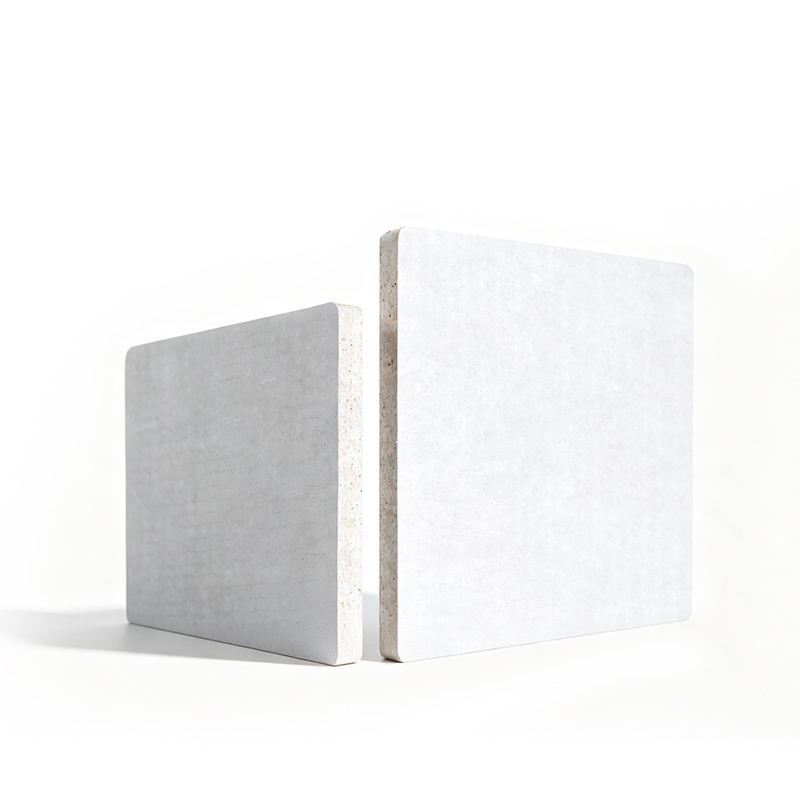
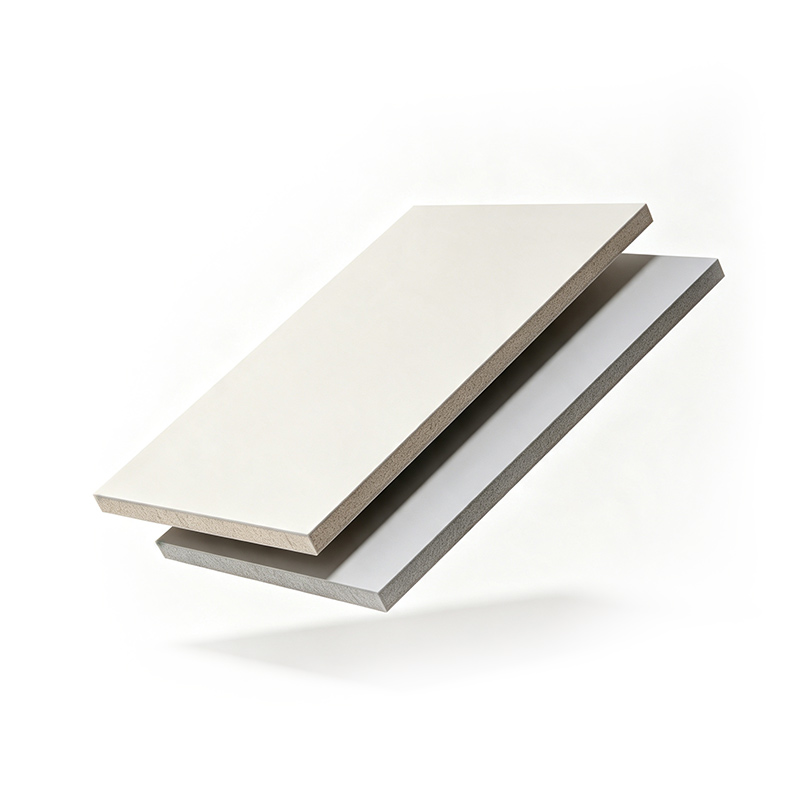
An MgO board is an inorganic building panel based primarily on magnesium oxide and a cementitious binding system, with reinforcement and other ingredients selected according to the formulation. Manufacturing methods and material compositions vary, so buyers should evaluate the actual product rather than relying on the generic name alone.
MgO boards are available in configurations for non-load-bearing applications, such as wall linings and ceiling substrates, as well as specialized flooring boards designed for defined support conditions and loads. Different surface treatments can also support different finishing processes, including painting, lamination, and other project-specific treatments.
One important consideration is the board's formulation. For example, magnesium sulfate-based and chloride-based MgO boards can differ in their chemical composition and moisture-related behavior. These differences should be evaluated using the manufacturer's technical documentation and relevant test results.
Buyers can learn more about this distinction in our guide to sulfate MgO board vs. chloride board.
2. Common Applications of MgO Boards in Modern Construction
2.1 Interior Partition Walls
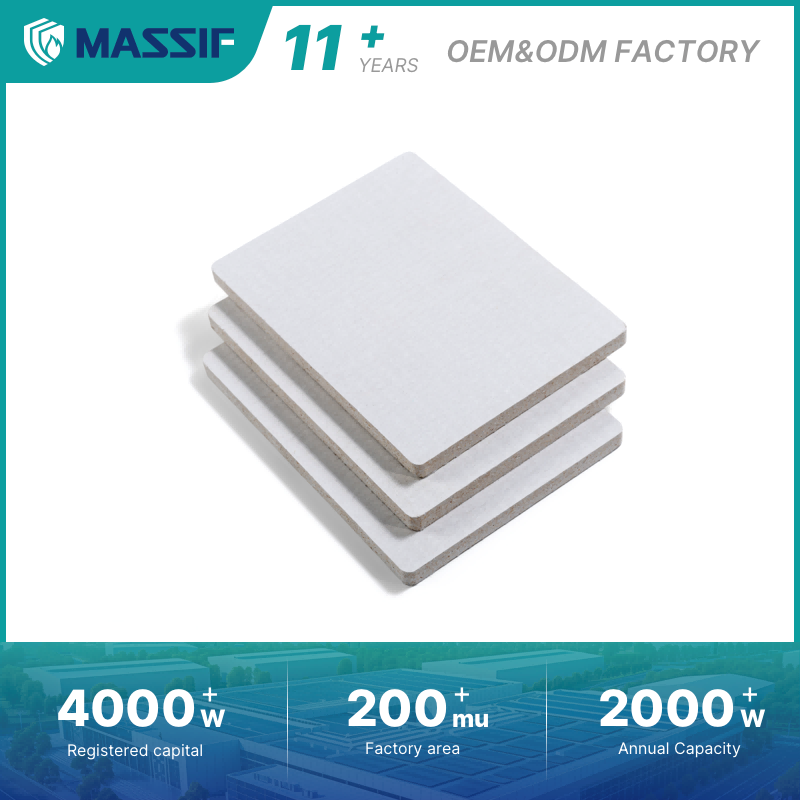
Interior partition walls are one of the main applications for non-load-bearing MgO boards. In these systems, the panels are fixed to a suitable framing structure to create internal divisions in offices, hotels, hospitals, schools, commercial buildings, and modular spaces.
The board provides a surface for subsequent finishing and can form part of a wall assembly designed to meet specific fire-performance requirements. Depending on the project, the wall may include metal studs, insulation, multiple board layers, joint treatments, and decorative finishes.
When specifying MgO boards for partition walls, buyers should confirm wall height, stud spacing, board thickness, fastening details, surface requirements, and the applicable fire and acoustic performance criteria.
For application-specific product information, see Massif's chloride-free sulfate MgO board for partition lining.
2.2 Ceiling Boards
MgO boards can also be used as ceiling substrates or lining layers in residential, commercial, and public buildings. They may be installed over suitable framing to provide a stable surface for finishing or to form part of a ceiling assembly designed around particular fire-performance requirements.
Ceiling applications often involve overhead installation, so board weight, panel dimensions, support spacing, fixing methods, and access requirements need to be considered together. The selected surface must also be compatible with the intended coating, paint, or decorative finish.
In commercial buildings, ceiling assemblies may need to coordinate with lighting, ventilation, cable routes, and maintenance access. These interfaces should be planned before installation to reduce unnecessary cutting and rework.
Explore Massif's MgO ceiling board for more information about ceiling-specific product requirements.
2.3 Fire Door Core Boards
Specialized MgO boards can be used as core materials in certain fire-rated door constructions. In these applications, the board forms part of a door leaf assembly rather than functioning as a complete door by itself.
Product selection must account for the door leaf structure, core dimensions, thickness, cutouts, hardware positions, and the required fire-performance classification. These details influence how the board fits within the complete door construction.
A critical distinction: a board's reaction-to-fire classification does not automatically establish the fire-resistance rating of the finished door. The complete door assembly, including its frame, seals, hardware, and construction details, must be evaluated against the applicable requirements.
For this application, visit Massif's fire-rated sulfate MgO board for fire door cores.
2.4 HVAC Duct Boards and Fire Protective Enclosures
MgO boards designed for duct applications can be used to fabricate certain duct structures or to form protective enclosures around building services. These applications require suitable board properties, compatible connections, and a construction method appropriate to the intended duct system.
Before specifying a duct board, project teams should review duct dimensions, joint details, flanges, reinforcement, supports, access requirements, and the required system-level fire performance. The choice of sealant, fasteners, and connecting components can also affect the completed assembly.
Not every general-purpose MgO board is appropriate for this application. Buyers should choose a product specifically intended for the duct configuration and verify that the technical documentation covers the proposed system.
See Massif's MgO board for HVAC ducts for additional product details.
2.5 Roof Lining and Roof Sheathing Applications
In suitable roof constructions, MgO boards can serve as lining layers or substrates within a larger roof assembly. They may provide a base for adjacent building components, depending on the intended design and product specification.
Roof applications require particular attention to moisture exposure, condensation, temperature changes, waterproofing interfaces, wind loads, and the supporting structure. A board intended for interior wall lining should not be assumed to be suitable for direct outdoor exposure or every roof construction.
The complete roof design must define the functions of each layer, including the panel, insulation, waterproofing, fasteners, and exterior finish. Compatibility between these components is essential to the long-term performance of the assembly.
For further information, review Massif's fire-rated MgO board for roof sheathing.
2.6 Window Pelmets, Curtain Boxes, and Interior Fit-Out Details
MgO boards are also used in smaller architectural details, including window pelmets, curtain boxes, lighting coves, and other concealed interior enclosures. These components are typically non-load-bearing and require boards that can be cut, fixed, and finished according to the design.
Although these details may occupy a relatively small part of a building, their dimensions and fixing methods still matter. Designers should account for corner joints, framing, lighting integration, curtain-track loads, service access, and the intended finish.
The board itself should not be assumed to provide adequate support for heavy fixtures. Curtain tracks, lighting equipment, and other loaded components should transfer their loads to appropriately designed framing or reinforcement.
Learn more about MgO board for window pelmet and curtain-box backing.
2.7 Elevator-Related Fire-Rated Linings
Specialized non-combustible lining boards can be incorporated into certain elevator-related enclosures or components. The intended position of the board, its supporting structure, fixing arrangement, and applicable building requirements all influence the appropriate product selection.
Elevator-related assemblies can have specific requirements for fire performance, mechanical stability, interfaces, and installation. Consequently, project teams should confirm the intended use with the system designer and review the relevant compliance documentation before specifying a lining board.
A product that is appropriate for a general partition should not automatically be treated as suitable for every elevator shaft or enclosure detail.
See Massif's non-combustible MgO board for elevator shaft lining for application-specific information.
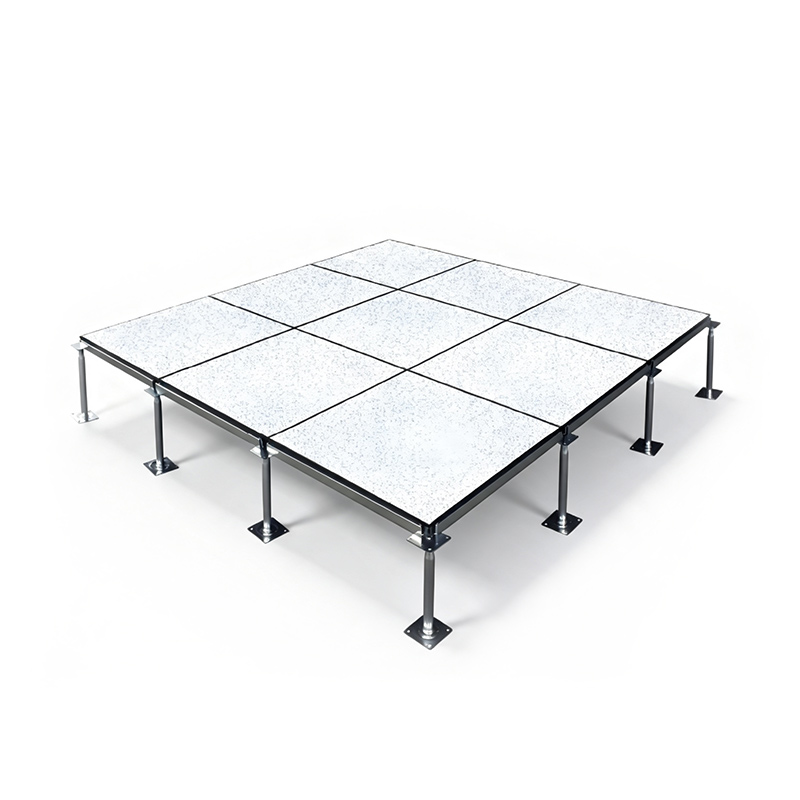
2.8 Flooring for Modular and Prefabricated Buildings
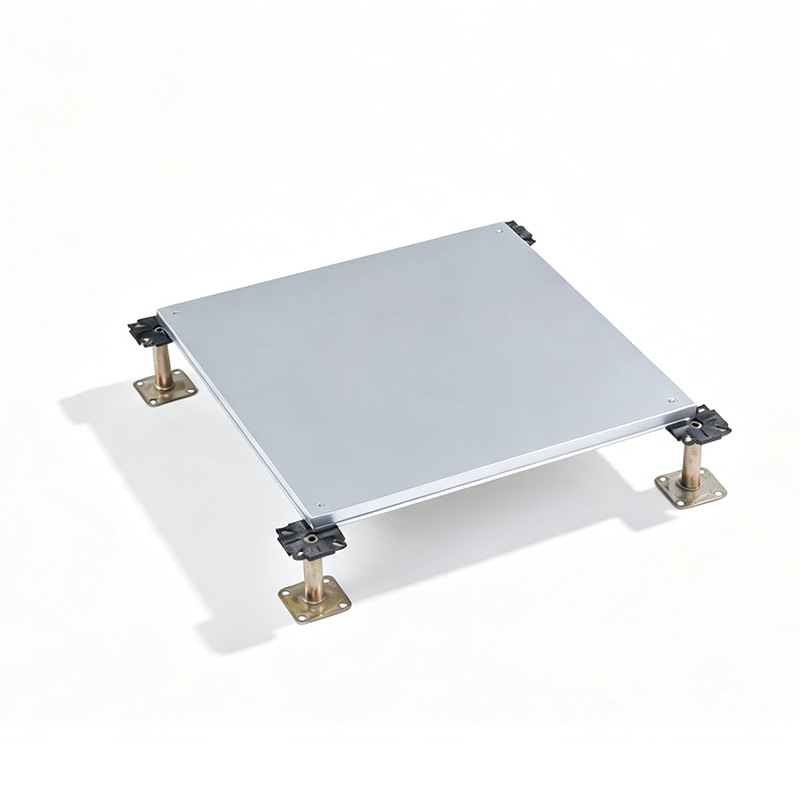
Dedicated MgO flooring boards can be used in prefabricated housing, factory-built modules, temporary buildings, and certain container-based accommodation systems. Compared with non-load-bearing lining boards, flooring products must be selected with greater attention to mechanical performance and the conditions under which the floor will be used.
Important design considerations include occupant and furniture loads, support spacing, panel thickness, fastening, floor finish, transport conditions, and the possibility of repeated relocation or reuse.
For modular buildings, panel dimensions and edge details may also need to match factory production processes and the assembly schedule. Choosing the correct flooring board at the design stage can help reduce on-site cutting and improve coordination between the floor panels and the supporting frame.
For product-specific options, review Massif's MgO flooring board for prefabricated housing and MgO board for container-house flooring.
2.9 Loft Floors and Steel-Structure Mezzanines
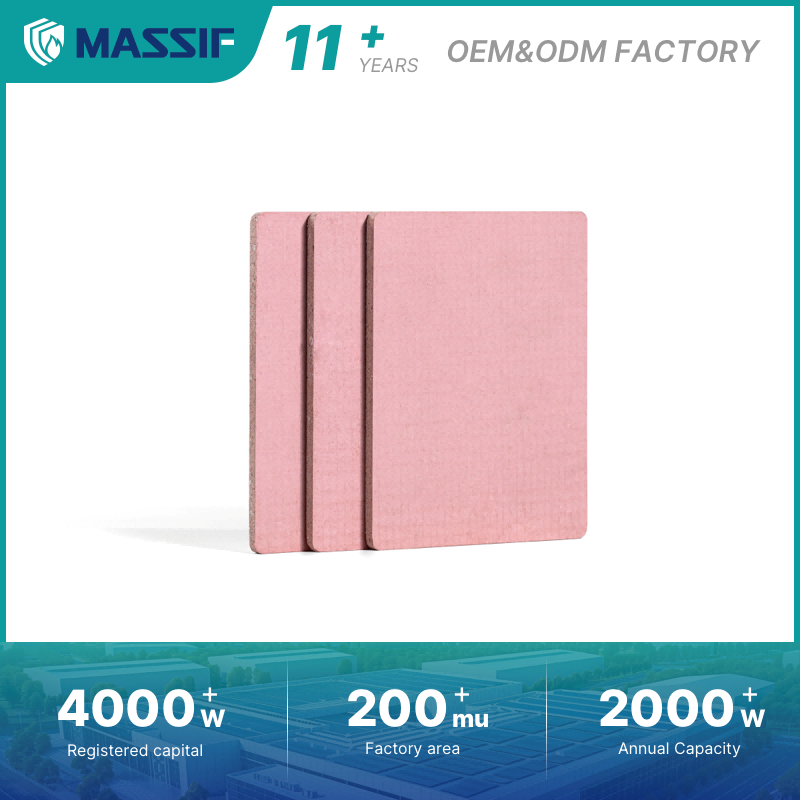
Another application for specialized MgO flooring boards is the construction of loft floors, mezzanines, and additional floors supported by steel or other suitable framing systems.
These installations may require panels to support people, furniture, storage, or other loads while controlling deflection between the supporting members. The required panel thickness cannot be determined from the room type alone.
Designers should evaluate the design load, support spacing, joint arrangement, fixing method, floor build-up, and applicable structural requirements. Concentrated loads, rolling loads, and uniform loads may lead to different design considerations.
For these projects, see Massif's high-load-bearing MgO board for mezzanine floors.
3. MgO Board Applications at a Glance
Although these applications use the same general material category, each requires a product designed around its specific function. The following table summarizes the main differences buyers should consider.
Application | Primary Function | Key Selection Factors |
|---|---|---|
Partition walls | Interior wall lining and finishing substrate | Stud spacing, wall layers, fixing, finish, fire and acoustic requirements |
Ceilings | Ceiling substrate or protective lining layer | Panel weight, support arrangement, surface finish and service access |
Fire door cores | Core material within a door assembly | Core dimensions, door construction, hardware and complete-door testing |
HVAC ducts | Duct fabrication or protective enclosure, as designed | Duct geometry, joints, supports, sealants and system performance |
Roof lining | Lining layer or substrate within a roof assembly | Moisture exposure, framing, waterproofing and compatibility with other layers |
Curtain boxes and pelmets | Concealed backing and interior fit-out details | Dimensions, joints, fixing, framing and fixture loads |
Elevator-related linings | Specialized lining within designated enclosures or components | Installation position, supporting structure and applicable compliance requirements |
Modular and container-house floors | Flooring substrate in prefabricated and modular buildings | Load capacity, support spacing, fastening and transport conditions |
Loft and mezzanine floors | Floor panel supported by a designed structural framework | Design loads, deflection, support spacing, panel joints and floor finish |
4. How to Choose the Right MgO Board for Your Project
Identifying the intended application is the first step. A suitable selection process should then account for the complete construction system, the environment in which the panel will operate, and the performance documents required for the project.
4.1 Determine Whether the Board Is Load-Bearing
Start by distinguishing between a lining board and a flooring board. A non-load-bearing lining is selected primarily for its position, finish, compatibility with the supporting frame, and required system performance. A flooring board must also satisfy the mechanical requirements associated with the supported loads and panel span.
Do not substitute a wall-lining panel for a structural flooring application without documented evidence that the specific product and proposed assembly are suitable.
4.2 Evaluate Fire-Performance Requirements
Fire-related specifications should clearly identify the performance required from the board and the complete construction system. Reaction-to-fire classification describes how a product behaves when exposed to fire; it is not the same as the fire-resistance period of a wall, door, duct, or roof assembly.
For a fire-rated application, confirm the relevant test standard, report scope, product model, installation details, and any limitations associated with the test evidence. The panel, fasteners, framing, joints, penetrations, and other system components may all affect the final result.
4.3 Check Moisture Conditions and Formulation
Different MgO board formulations can respond differently to moisture exposure. Buyers should consider indoor humidity, condensation, intermittent wetting, direct weather exposure, and the possibility of prolonged contact with water.
Moisture resistance does not automatically mean that a product is waterproof under every condition. Ask the manufacturer for relevant test results and installation guidance for the specific model, especially for areas where water management or metal fasteners are important.
4.4 Match Thickness and Support Spacing to the Application
Thickness should be selected in conjunction with panel dimensions, support spacing, fastening, design loads, and the completed construction. A thicker panel is not automatically suitable for every structural use, and a general-purpose thickness recommendation should not replace project-specific engineering.
For flooring applications, provide the manufacturer with the expected loads and framing layout. For wall and ceiling applications, provide the stud or support spacing, required board layers, fixing details, and finish system.
4.5 Confirm Finishing and Installation Compatibility
Surface finish and edge treatment can affect processing, bonding, and the final appearance. Before placing a large order, confirm compatibility with the proposed paint, laminate, adhesive, joint compound, screws, and other installation materials.
Where finishing or processing is critical, request a sample and perform a trial using the intended tools and materials. This can help identify compatibility issues before full-scale production or installation.
4.6 Review the Technical Documents Before Ordering
A product specification should identify the supplied model and the properties relevant to its intended application. Depending on the project, the documents may include dimensions, thickness tolerance, density, mechanical test results, fire-related reports, moisture-related data, and instructions for storage and installation.
For export projects and bulk procurement, make sure that the approved sample, technical documents, purchase specifications, packaging requirements, and delivered products refer to the same model and agreed configuration.
5. Why Application-Specific MgO Board Selection Matters
The broad range of MgO board applications can simplify material planning, but only when each product is assigned the correct role. A ceiling substrate, fire door core, HVAC duct board, and mezzanine flooring panel may use a related material family while requiring different mechanical properties and installation details.
Selecting by application rather than by the generic name alone helps project teams reduce specification errors, coordinate with installers, and identify the necessary test evidence earlier in the design process. It also makes supplier quotations more accurate because the manufacturer can assess the intended use instead of estimating from an incomplete description.
Jiangsu Massif Building Materials Co., Ltd. supplies application-specific MgO board solutions for non-load-bearing fire-rated linings and load-bearing flooring applications. Its product range includes partition wall lining boards, fire door core boards, air duct boards, ceiling boards, roof lining boards, curtain-box boards, elevator-related lining boards, and flooring boards for modular housing, container buildings, and mezzanines.
When requesting a quotation, buyers can provide the intended application, drawings or photographs, panel dimensions, required thickness, estimated quantity, relevant performance requirements, and delivery destination. These details help establish a suitable product direction and clarify which additional technical documents may be required.
MgO boards can serve many purposes in modern construction, from interior partitions and specialized fire-rated linings to dedicated flooring systems for modular buildings and steel mezzanines. The best choice depends on the board's intended function, the complete construction design, and the technical evidence supporting the proposed use.
By matching the product to the application and confirming specifications before ordering, architects, contractors, distributors, and project buyers can make more informed material decisions and reduce avoidable procurement and installation risks.
Looking for the Right MgO Board for Your Project?
Whether you need partition lining boards, fire door core boards, HVAC duct boards, or dedicated flooring boards for modular buildings, Massif can help you identify the appropriate product specifications for your application.
Request a Quote Explore MgO BoardsFrequently Asked Questions (FAQ)
What are the main uses of MgO boards in construction?
MgO boards are used in interior partition walls, ceilings, fire door cores, HVAC duct enclosures, roof lining, window pelmets, elevator-related linings, and dedicated flooring systems for modular buildings, container houses, and mezzanines. The appropriate product depends on its intended function and technical specifications.
Can MgO boards be used for load-bearing floors?
Yes, certain MgO boards are specifically designed for flooring applications. These products must be selected according to design loads, support spacing, panel thickness, fastening, deflection requirements, and the complete floor construction. A standard non-load-bearing lining board should not be assumed to be suitable for flooring.
Are MgO boards suitable for wet or humid environments?
Suitability depends on the board formulation, the degree and duration of moisture exposure, and the surrounding construction. Moisture-resistant does not necessarily mean waterproof or suitable for continuous immersion. Buyers should review the technical data for the exact model and follow the required water-management and installation details.
Does an A1 non-combustible MgO board automatically create a fire-rated wall?
No. A1 is a reaction-to-fire classification for the product, not a complete-wall fire-resistance rating. The fire resistance of a wall depends on the board layers, framing, insulation, joints, fasteners, penetrations, and the evidence or approved design for the complete assembly.
How do I choose the right MgO board thickness?
Thickness should be selected according to the application, panel dimensions, support spacing, design loads, fixing method, and finishing requirements. For structural flooring, the design must account for load and deflection. For lining applications, framing, wall or ceiling construction, and required system performance are key considerations.
What information should I provide when requesting an MgO board quotation?
Provide the intended application, required dimensions and thickness, estimated quantity, drawings or photographs, target performance requirements, surface and color preferences, packing requirements, destination, required test documentation, and expected delivery schedule. This information helps the manufacturer assess the product configuration and quotation requirements.