


MgO Board vs. Calcium Silicate vs. Fiber Cement: Which to Choose?
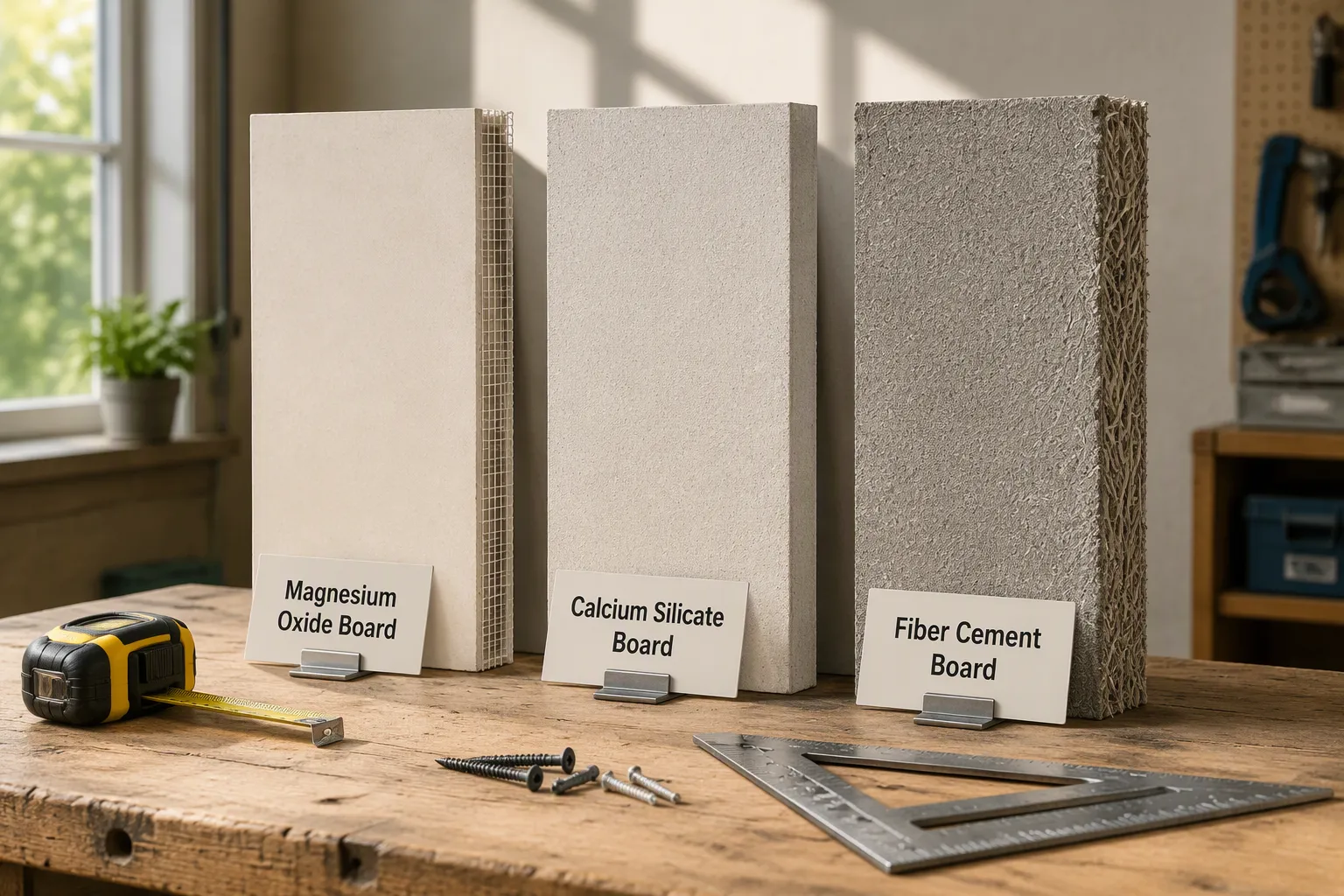
Magnesium Oxide Board is generally the strongest all-around choice for fire-rated walls, wet areas, and sustainability-minded projects. Fiber cement board performs best as exterior cladding. Calcium silicate board remains a reliable option for fire-rated and high-temperature applications.
Your project priorities should guide the final decision. Ask one question first: what matters most here? Fire resistance, moisture protection, exterior durability, or installation ease? Each board type handles these demands differently.
A wall assembly in a humid bathroom needs different performance than a siding panel facing years of rain and sun. Identify the primary risk before comparing products. This approach keeps the selection process practical and prevents costly mistakes later.
Key Takeaways
Magnesium Oxide Board excels in fire-rated walls, wet areas, and sustainable projects.
Fiber cement board performs best as exterior cladding and siding.
Calcium silicate board remains reliable for fire-rated and high-temperature applications.
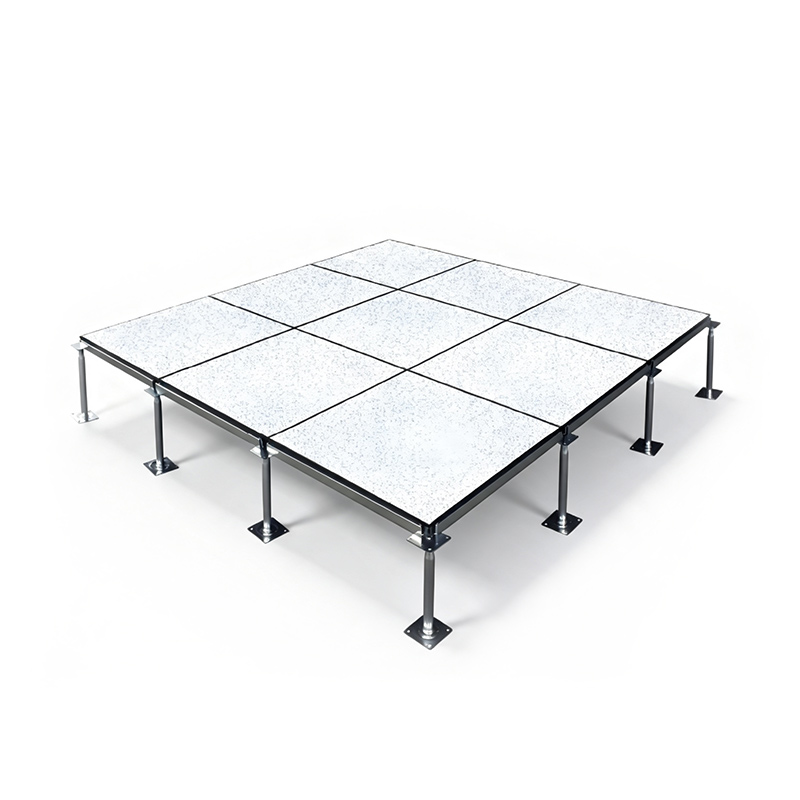
Your project's main risk—fire, moisture, durability, or installation—guides the selection for raised access flooring systems and wall assemblies.
Always check local building codes and consult a licensed professional before purchasing.
Quick Physical Property Comparison
Feature | Massif MgO Board (Sulfate) | Calcium Silicate Board | Fiber Cement Board |
|---|---|---|---|
Fire Rating | Class A1 (Non-combustible) | Class A1 | Class A1 |
Moisture Resistance | Excellent (No swelling/reversion) | Moderate | Good (but heavy) |
Density | 0.95 - 1.15 g/cm³ | ~1.2 - 1.4 g/cm³ | ~1.4 - 1.6 g/cm³ |
Weight / Handling | Lightweight, easy to cut | Medium | Heavy, requires special tools |
Mold / Insect Proof | 100% (Inorganic) | Yes | Yes |
Magnesium Oxide Board Composition and Strengths
MgO Board Composition and Benefits
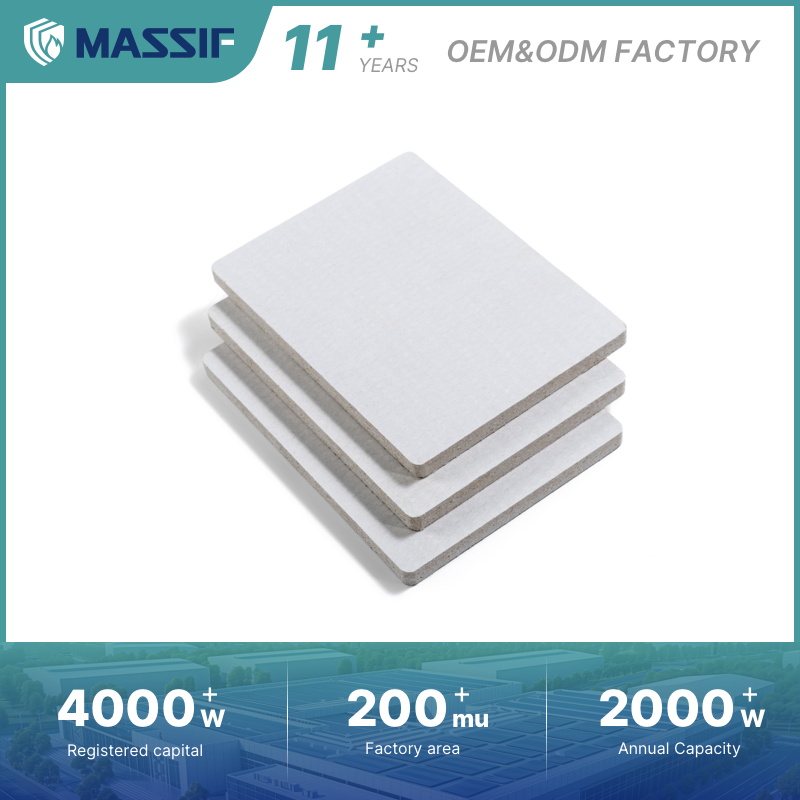
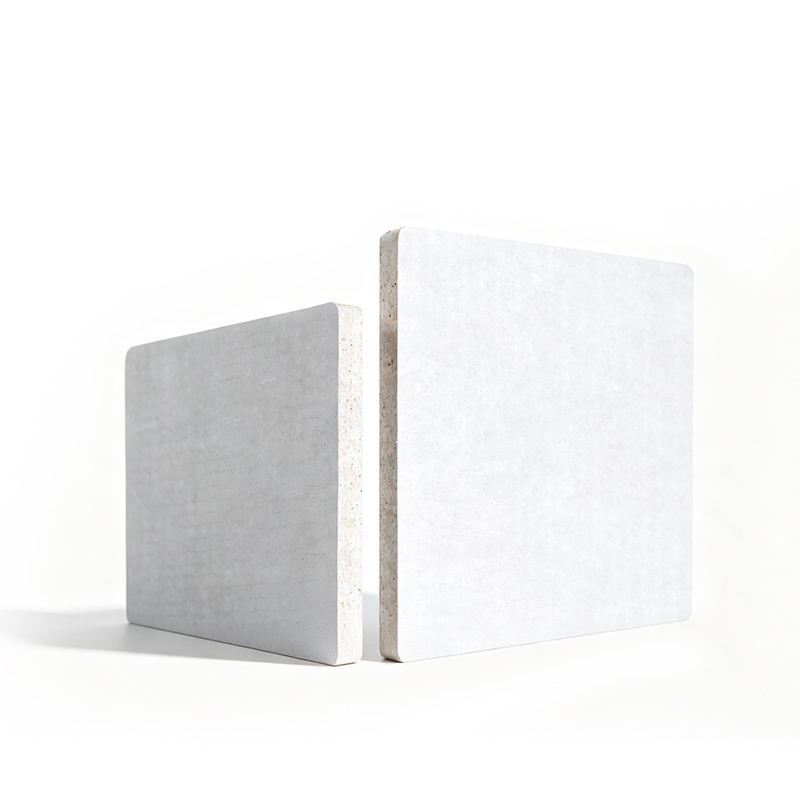
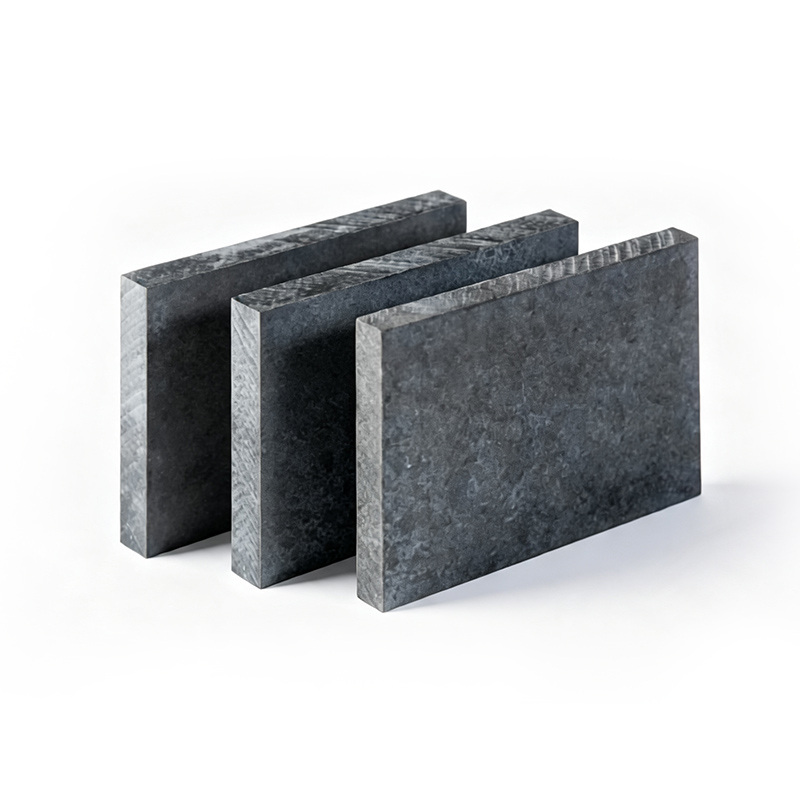
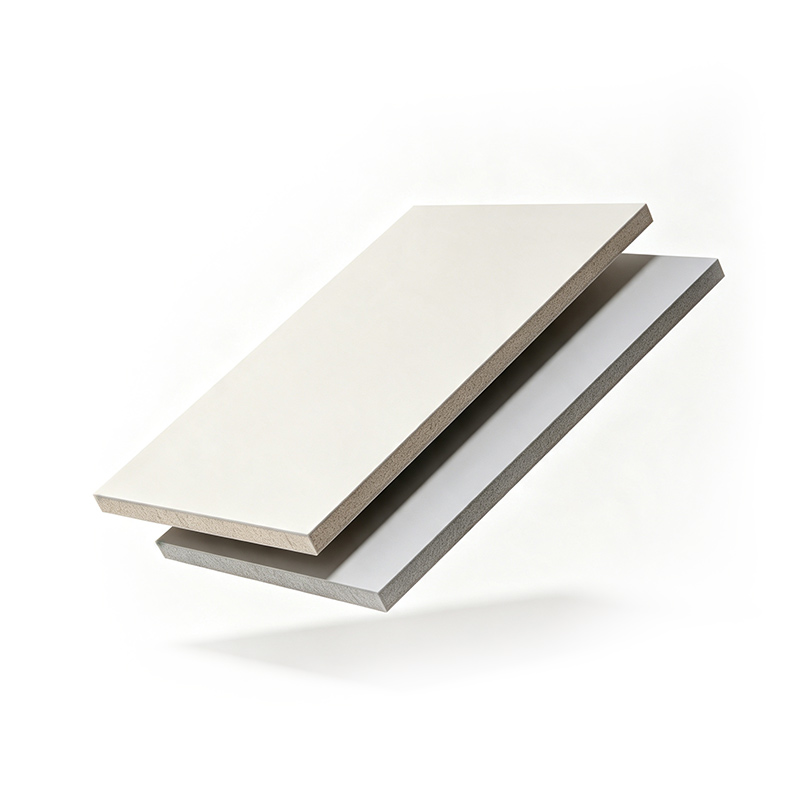
Massif Magnesium Oxide Board uses a non-reverting sulfate-based system. This formulation avoids the reversion problems common in conventional chloride-based boards. The board earns a Class A1 non-combustible rating. It is waterproof, formaldehyde-free, and resists steel corrosion and surface whitening over time.
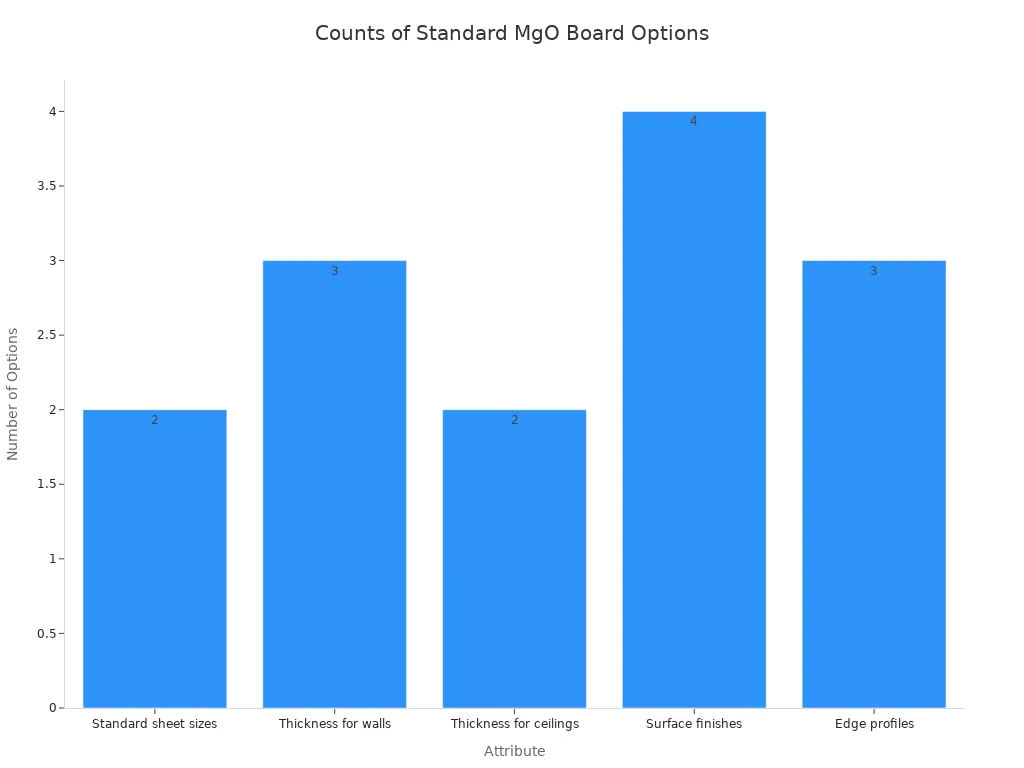
Massif manufactures boards in standard sizes of 1220 x 2440 mm and 1200 x 3000 mm, backed by CE, ASTM, and EN certifications. Our automated production lines ensure consistent quality for large-scale global projects, eliminating batch-to-batch variations. Thicknesses range from 5 to 30 mm. Buyers can choose non-woven or sanded surfaces. White is the standard color, and gray, yellow, red, and other colors are available for custom orders. The apparent density falls between 0.95 and 1.15 g/cm³.
Flexural strength and screw-holding capacity can be tailored to wall construction and project requirements. This flexibility lets builders match the board to specific load conditions and support spacing.
Calcium Silicate and Fiber Cement Basics
Calcium silicate board and fiber cement board serve different roles in construction. Calcium silicate uses lime and silica as its main ingredients. It offers good fire resistance and handles high temperatures well. Fiber cement combines cement with cellulose fibers. It performs well in exterior cladding because it stands up to weather.
Massif MgO board covers both non-load-bearing and load-bearing applications. Non-load-bearing uses include partition wall lining, fire door core, air duct, ceiling, roof lining, curtain box, and elevator fire-rated lining. Load-bearing projects include integrated housing flooring, temporary container house flooring, and loft floor slabs. This range makes the board suitable for many building types.
Fire Resistance Comparison
Fire Ratings and High-Temperature Performance
Magnesium Oxide Board from Massif holds a Class A1 non-combustible rating. This is the highest fire classification for building materials. The board will not fuel a fire or release toxic smoke under intense heat. This performance comes from its mineral composition. The chloride-free magnesium oxide and magnesium sulfate system remains stable when temperatures rise.
Calcium silicate board also performs well under fire exposure. It offers strong high-temperature stability and maintains its structure during prolonged heat. This makes it a common choice for industrial applications where thermal resistance matters. Fiber cement board is noncombustible as well. However, it provides less heat insulation than the other two options. Heat transfers through fiber cement more readily, which can affect adjacent materials in a fire.
Fire-Rated Wall Assembly Considerations
The final fire rating of any wall depends on the complete assembly, not just the board. Board thickness plays a major role. A thicker panel delays heat transfer and extends the time before failure. Framing type matters too. Steel studs conduct heat differently than wood or concrete. Joints and fasteners must be rated for fire exposure. Gaps or weak connections allow fire and smoke to pass through.
Local building codes set the required fire-resistance rating for each application. A one-hour rating demands different materials than a two-hour rating. Contractors should review the assembly details with a licensed professional. Massif provides test documentation and selection guidance based on fire-resistance requirements. This support helps builders match the right board thickness and system components to the project. The whole assembly must pass the test, not the board alone.
Moisture and Mold Resistance
Wet-Area Performance
Water exposure breaks down many building panels over time. Magnesium Oxide Board from Massif handles constant moisture without swelling, warping, or crumbling. The chloride-free formulation resists reversion, a failure mode where moisture causes the board to soften and lose strength. This makes the panel suitable for shower enclosures, bathroom walls, and laundry rooms. Mold and mildew cannot feed on the board because it contains no organic material. Insects and fungus also find no food source here.
Calcium silicate board offers moderate moisture resistance. It performs well in humid conditions but does not match the waterproof performance of MgO board in direct water contact. Fiber cement board handles wet areas effectively because cement does not rot. However, fiber cement is heavy and harder to install in tight bathroom spaces. For wet-area installations, the board must also resist surface whitening and steel corrosion. Massif MgO board addresses both issues, which protects framing and fasteners behind the finished wall.
Exterior Weather Resistance and Vapor Control
Exterior applications demand resistance to rain, humidity, and temperature swings. Fiber cement board is the established choice for siding and cladding because cement-based products tolerate years of weather exposure. Calcium silicate board can serve in exterior soffits and protected areas, but it is less common as direct cladding. Massif MgO board works as exterior sheathing and in protected exterior assemblies where moisture and impact resistance matter.
Vapor control determines long-term performance in any exterior wall. Water vapor moves from warm, humid spaces toward cooler, drier areas. A vapor-permeable board allows this moisture to escape instead of trapping it inside the assembly. Trapped vapor leads to mold growth, wood rot, and corrosion of metal components. Builders should match the board's vapor profile to the climate zone and the insulation strategy. Local codes and design professionals provide guidance on vapor retarder placement. Proper flashing, drainage planes, and sealants complete the moisture management system. No single board solves every moisture problem without correct assembly details.
Strength, Weight, and Impact Durability
Structural Strength and Crack Resistance
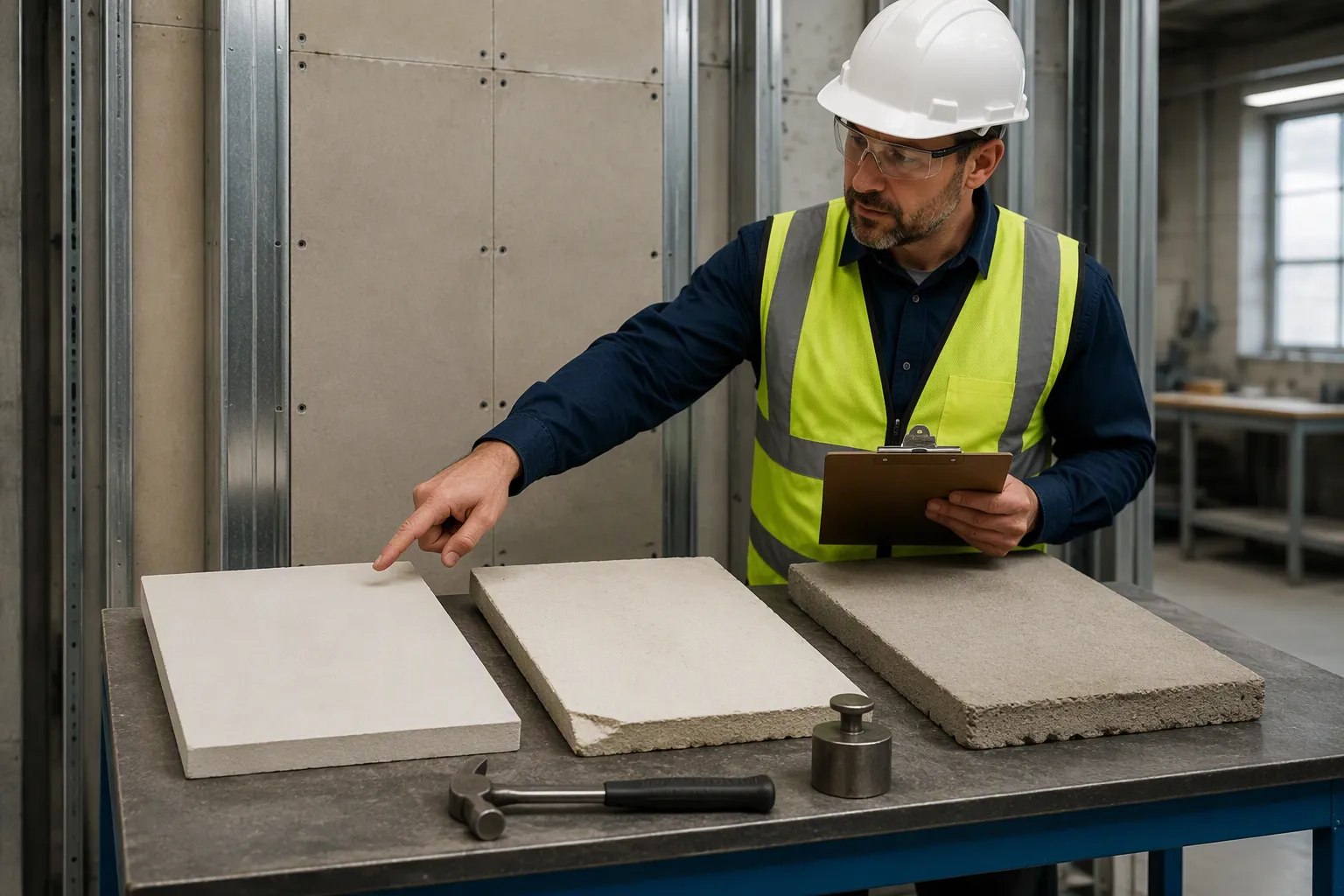
Massif Magnesium Oxide Board delivers high impact resistance across demanding applications. The board absorbs force without cracking or shattering under normal construction loads. This toughness comes from the sulfate-based core formulation. Flexural strength and screw-holding capacity can be tailored to wall construction and project requirements. Builders can specify board properties that match support spacing and load conditions.
Calcium silicate board uses short reinforcing fibers to achieve its strength. These fibers provide reliable performance under static loads. However, calcium silicate can be less forgiving than MgO board under sudden impact. A heavy strike may cause chipping or cracking at the edges. Fiber cement board offers good compressive strength but weighs significantly more. Its density makes handling and installation more labor-intensive.
Massif MgO board also resists insects, fungus, mold, mildew, and chemicals. These properties add long-term durability in environments where organic materials would degrade. The board contains no organic material that pests or microbes can consume. Chemical resistance protects the panel in industrial and agricultural settings.
Weight and Framing Impact
Board weight affects every stage of a project. Massif MgO board is lighter than fiber cement board. Crews can lift, carry, and position panels with less fatigue. Lighter boards also reduce strain on framing systems. Fewer workers are needed for installation, which lowers labor costs.
Fiber cement board demands more structural support because of its greater mass. Framing must handle the additional dead load. This requirement can increase material costs for studs, fasteners, and connections. Calcium silicate board falls between the two in weight. It remains manageable for most wall assemblies but still requires careful handling.
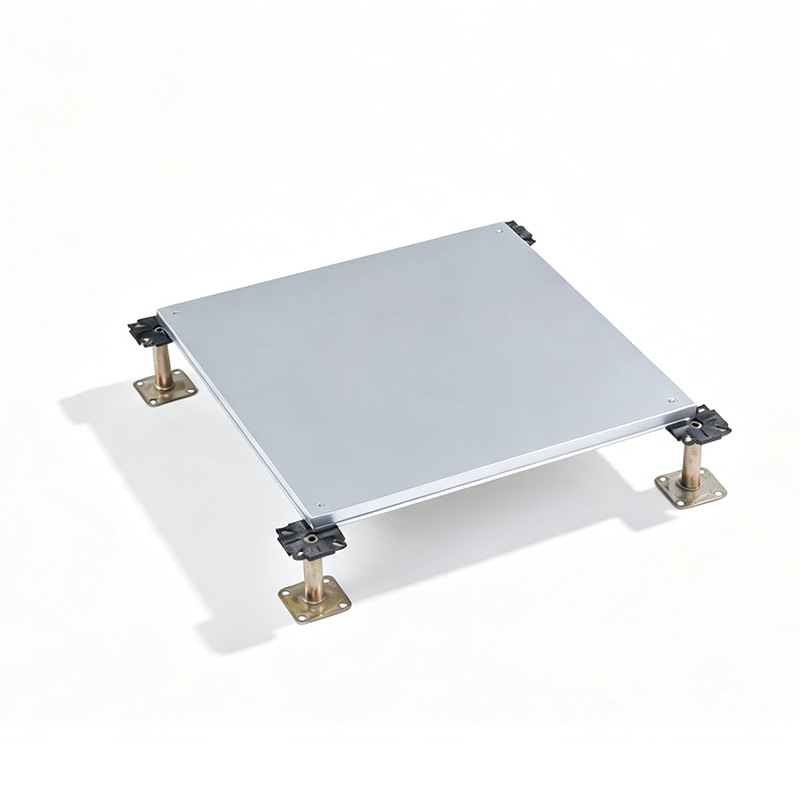
Massif MgO board works across non-load-bearing and load-bearing applications. Non-load-bearing uses include partition wall lining, fire door core, air duct, ceiling, and roof lining. Load-bearing projects include integrated housing flooring and raised access floor slabs. The board's strength-to-weight ratio supports these diverse uses without overloading the structure.
Installation and Workability
Cutting, Fastening, and Labor Costs
Massif MgO panels cut easily with standard hand tools. A carbide tipped scoring knife slices and snaps the panel neatly for straight cuts. A utility knife works well for score-and-snap methods and produces almost no dust. Power tools like a circular saw generate a lot of dust and require a special fiber cement blade. A jigsaw creates less dust than a circular saw and handles small cutouts and curves. Manufacturers recommend hand tools whenever possible to reduce airborne particles.
Fiber cement board weighs significantly more than MgO board. Crews need more workers to lift and position each panel. The material also produces silica dust during cutting, which demands strict dust control. Tool-mounted vacuums reduce dust by up to 90 percent. Local exhaust ventilation cuts dust by up to 94 percent and can bring exposure below the NIOSH limit. Wet cutting with a spray bottle traps particles effectively for small jobs.
Fastening MgO board requires standard screws and basic tools. The board holds screws firmly without pre-drilling in most cases. Fiber cement demands more fasteners and heavier framing to support its greater mass. These requirements increase material and labor costs. Lighter MgO panels reduce fatigue and speed up installation across large projects.
Finishing Compatibility
All three boards accept tile, paint, and texture finishes. Surface preparation determines the final result. MgO board needs a clean surface and an alkali-resistant primer before tiling. Fiber cement requires similar preparation but often needs a longer curing period before finishing. Calcium silicate board accepts most finishes but may need a specific primer to control absorption.
Paint adhesion depends on the primer system. MgO board takes water-based and solvent-based paints well after priming. Textured coatings bond reliably to the sanded surface. Joint compound fills seams and creates a smooth base for decoration. Proper sealing around edges and fasteners prevents moisture intrusion behind the finish. Each board type has its own primer and preparation requirements, so contractors should follow the manufacturer's instructions for the specific product.
Environmental Impact and Health Safety
Sustainability and Raw Materials
Massif's sulfate-based MgO board requires less energy to manufacture than many competing panels. The chloride-free magnesium oxide and magnesium sulfate system avoids the energy-intensive processes tied to traditional cement production. The board also lasts longer in wet and high-impact environments. A longer service life reduces replacement frequency. Fewer replacements mean fewer raw materials consumed over the building's lifetime.
Traditional fiber cement board often contains recycled materials. Cement manufacturers blend industrial byproducts into the mix. This practice diverts waste from landfills. However, fiber cement production remains energy-intensive because cement manufacturing requires extreme kiln temperatures. Calcium silicate board follows a similar path. Its production consumes substantial energy during the sintering process.
MgO board contains no organic components. Insects and fungus cannot feed on the panel. This durability extends the board's useful life in areas where organic panels would decay. Builders who choose this material for load-bearing floors and wall assemblies reduce the long-term demand for replacement materials.
Indoor Air Quality and Health Concerns
Formaldehyde is a common binder in interior panels. Many plywood and particleboard products release this compound into indoor air for years. Massif's MgO board uses no formaldehyde at any stage of production. The board emits nothing volatile once installed. This quality makes it a strong choice for schools, hospitals, and residential interiors where air quality matters.
Cutting any mineral fiber board creates dust that should not be inhaled. MgO board dust can irritate the respiratory tract. Fiber cement cutting releases silica dust, which carries stricter exposure limits. Workers should wear an N95 mask or better when sawing or scoring these panels. Tool-mounted vacuums reduce airborne particles for fiber cement. Wet cutting suppresses dust for small jobs.
Ventilation matters during installation. Open windows and use fans to move dust away from the work area. Clean up with a HEPA vacuum rather than sweeping. These habits protect both installers and the building occupants who follow.
Cost and Long-Term Value
Initial Material Price Differences
Upfront pricing varies by product and region. Published figures place Magnesium Oxide Board material cost at $15–25/m². Fiber cement board material cost runs $12–20/m². Installed cost tells a fuller story. MgO board installation lands at $30–42/m². Fiber cement installation falls at $28–40/m². Fiber cement often carries a higher upfront price in exterior cladding systems, quoted at $5–14/sq ft.
Labor shapes the final invoice as much as the panel price. MgO board is lighter and needs no special cutting tools. Crews finish installations faster with less fatigue. Fiber cement is heavier and harder to cut. It demands more workers and heavier framing. Those factors push labor costs upward even when the material price looks competitive.
Cost Metric | MgO Board | Fiber Cement Board |
|---|---|---|
Material cost | $15–25/m² | $12–20/m² |
Installed cost | $30–42/m² | $28–40/m² |
Upfront cost (cladding) | Generally lower | Often $5–14/sq ft |
*Note: The cost figures above are indicative market averages for standard thicknesses. Final pricing varies based on project volume, custom specifications, and regional shipping costs. Contact Massif for an accurate project quote.
Maintenance and Life-Cycle Cost
Recurring maintenance separates these boards over decades. Fiber cement requires repainting or sealing every 10–15 years. Each cycle adds material, labor, and access costs. Sulfate-based MgO board needs less repainting and sealing. It also resists moisture and mold, which protects the assembly behind the finish.
Longevity favors both products in different ways. MgO board lasts over 30 years in wet and high-impact conditions. Fiber cement reaches 30–50 years, and up to 100 with careful upkeep, though it can fail in wet areas. One analysis estimates savings of 25–40% over 20 years with MgO board. Both boards show a low 50-year lifecycle cost in manufacturer comparisons. Fiber cement earns a higher exterior-wall suitability rating. The right choice depends on exposure, climate, and maintenance capacity.
When to Choose Magnesium Oxide Board
High-Risk and Wet Environments
Some projects carry more risk than others. A shower wall behind tile faces constant moisture. A fire-rated corridor wall must contain flames and smoke for a specified period. An exterior sheathing panel takes rain, wind, and impact year after year. These situations demand a board with proven performance across multiple threats.
Magnesium Oxide Board fits these high-risk applications. The chloride-free magnesium oxide and magnesium sulfate system resists reversion, a failure mode where moisture softens the panel and destroys its strength. This board also holds a Class A1 non-combustible rating, the highest fire classification for building materials. A single panel therefore addresses fire, water, and impact concerns at once.
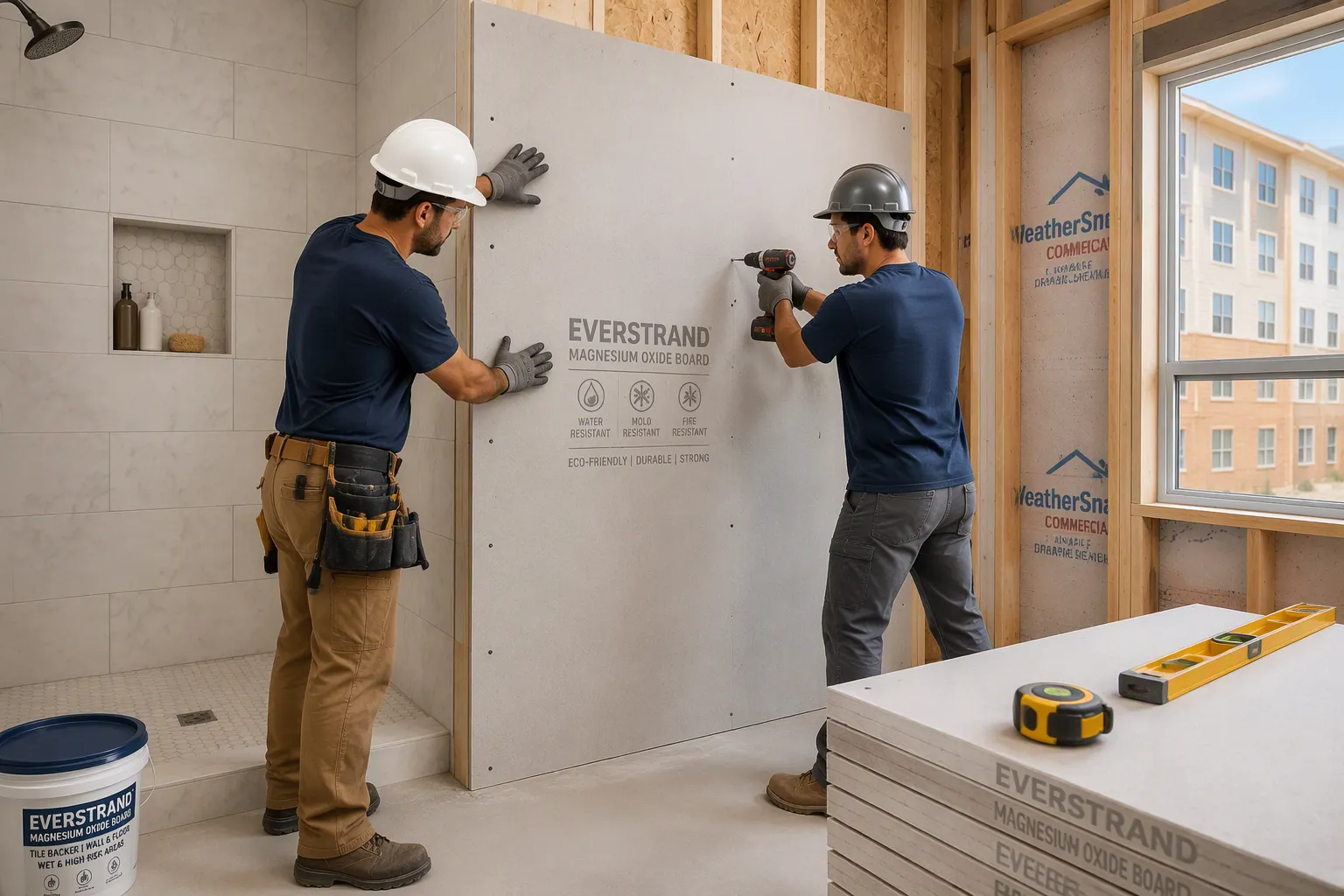
Consider a hotel bathroom renovation. The contractor needs a substrate for tile in 40 showers. Gypsum board would fail after repeated water exposure. Fiber cement would work but weighs far more and slows installation in tight spaces. MgO board handles the moisture, cuts easily, and holds screws firmly for tile backer installation. The lighter weight reduces crew fatigue across dozens of rooms.
Exterior sheathing presents another high-risk scenario. Wind-driven rain and temperature swings test every panel. MgO board resists moisture, insects, fungus, mold, mildew, and chemicals. These properties protect the assembly behind the cladding. Builders who specify this board for sheathing gain a durable substrate that will not rot or feed mold.
Durable interior panels in schools, hospitals, and gymnasiums also benefit. These spaces face heavy impact from carts, equipment, and daily traffic. MgO board absorbs force without cracking or shattering. Its formaldehyde-free composition supports clean indoor air quality. Facility managers avoid replacement costs and protect occupant health at the same time.
Fiber Cement and Calcium Silicate Best Uses
Fiber cement board excels as exterior cladding and siding. Cement-based products tolerate years of sun, rain, and freeze-thaw cycles. The material does not rot. Homeowners and builders choose fiber cement for facades because it holds paint well and stands up to weather. The trade-off is weight. Fiber cement panels are heavy, and cutting them releases silica dust that demands strict exposure controls. These factors make fiber cement a strong exterior choice but a labor-intensive interior option.
Calcium silicate board serves fire-rated and high-temperature applications. Industrial settings, commercial kitchens, and specialized assemblies rely on its thermal stability. The board maintains structure during prolonged heat exposure. Short reinforcing fibers provide reliable strength under static loads. Calcium silicate also appears in commercial wall systems where fire codes demand specific ratings. Its moisture resistance is moderate, so direct water contact requires additional protection.
Project teams should match the board to the dominant risk. Exterior facades point to fiber cement. High-temperature industrial enclosures point to calcium silicate. Fire-rated walls, shower installations, exterior sheathing, and impact-resistant interior panels point to MgO board. This decision framework prevents over-specifying one property while under-protecting against another.
Local building codes and licensed professionals provide the final word. Review product data sheets, confirm test documentation, and verify assembly details before purchase. The right board solves the project's primary challenge without creating new ones.
Magnesium Oxide Board delivers the best all-around performance for high-risk, wet, and sustainability-focused projects. Fiber cement board remains a strong exterior cladding option. Calcium silicate board stays a solid choice for fire-rated and high-temperature assemblies.
No single board wins every category. The right pick depends on project type, budget, exposure conditions, local code, and installation priorities. Define the performance requirements first. Review product data sheets next. Then consult a licensed contractor or architect before the final purchase.
Ready to Upgrade Your Building Materials?
Stop worrying about moisture reversion and fire compliance. Contact Massif today for technical data sheets, assembly guides, and free samples of our Chloride-Free MgO Boards.
Contact Us & Request a Free SampleFAQ
Which board works best for a bathroom or shower wall?
Massif MgO Board handles constant moisture without swelling or warping. Its chloride-free magnesium oxide and magnesium sulfate system resists reversion, the softening that ruins weaker panels. Mold, mildew, and insects find no organic material to consume. Fiber cement also tolerates water but weighs far more, which slows installation in tight spaces.
Is Magnesium Oxide Board really non-combustible?
Yes. Massif MgO board carries a Class A1 non-combustible rating, the highest fire classification for building materials. It will not fuel a fire or release toxic smoke under intense heat. Remember that the finished wall's fire rating depends on the whole assembly: board thickness, framing, joints, fasteners, and local code requirements.
Can I use Magnesium Oxide Board outdoors?
MgO board suits exterior sheathing and protected exterior assemblies where moisture and impact resistance matter. Fiber cement remains the established choice for direct cladding and siding because cement tolerates years of sun, rain, and freeze-thaw cycles. Match the board's vapor profile to your climate zone, and follow local code for flashing and drainage details.
Is cutting these boards dangerous?
Cutting any mineral board releases dust that irritates the respiratory tract. Fiber cement cutting produces silica dust with strict exposure limits. Wear an N95 mask or better, ventilate the work area, and use a HEPA vacuum instead of sweeping. Hand tools produce less dust than power saws.
Which board costs less overall?
Material prices sit close together, with MgO board at $15–25/m² and fiber cement at $12–20/m². Installed costs land at $30–42/m² and $28–40/m² respectively. Labor shifts the total. MgO board is lighter, cuts with standard tools, and needs less repainting, which lowers long-term costs.